 byt3bl33d3r/nimdllsideload
DLL sideloading/proxying with Nim!

This repo allows you to easily generate Nim DLLs you can use sideloading/proxy loading. If you're unfamiliar with what DLL sideloading is, take a gander at this blog post.
Put the legit DLL (or multiple DLLs) you want to proxy into the build directory of this repo then run make.
This will generate two .dlls in the out directory:
If sideloading is successful, you should see a message box popup and/or a file written to the desktop.
To actually "weaponize" the payload, you can take a look at the OffensiveNim repository for ideas and ready-to-go code snippets :).
dllproxy.nim is the proxy DLL that will execute your payload and proxy legit function calls to the original DLL(s)gen_def.py parses the original DLL's export table and generates a Module-definition (.def) file.The .def file then gets passed to the linker at compile time in order to proxy the legit function calls.
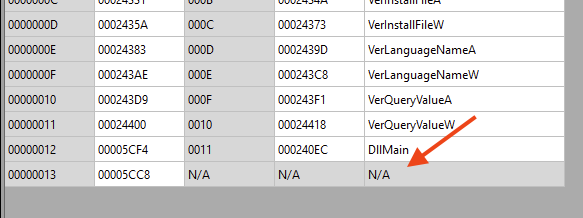
NimMain from a Nim DLL's export tableSee this Microsoft article
Notice the last line of this .def file:
EXPORTS
	GetFileVersionInfoA=ZCnerzNI.GetFileVersionInfoA @1
	GetFileVersionInfoByHandle=ZCnerzNI.GetFileVersionInfoByHandle @2
	GetFileVersionInfoExA=ZCnerzNI.GetFileVersionInfoExA @3
	GetFileVersionInfoExW=ZCnerzNI.GetFileVersionInfoExW @4
	GetFileVersionInfoSizeA=ZCnerzNI.GetFileVersionInfoSizeA @5
	GetFileVersionInfoSizeExA=ZCnerzNI.GetFileVersionInfoSizeExA @6
	GetFileVersionInfoSizeExW=ZCnerzNI.GetFileVersionInfoSizeExW @7
	GetFileVersionInfoSizeW=ZCnerzNI.GetFileVersionInfoSizeW @8
	GetFileVersionInfoW=ZCnerzNI.GetFileVersionInfoW @9
	VerFindFileA=ZCnerzNI.VerFindFileA @10
	VerFindFileW=ZCnerzNI.VerFindFileW @11
	VerInstallFileA=ZCnerzNI.VerInstallFileA @12
	VerInstallFileW=ZCnerzNI.VerInstallFileW @13
	VerLanguageNameA=ZCnerzNI.VerLanguageNameA @14
	VerLanguageNameW=ZCnerzNI.VerLanguageNameW @15
	VerQueryValueA=ZCnerzNI.VerQueryValueA @16
	VerQueryValueW=ZCnerzNI.VerQueryValueW @17
	NimMain @19 NONAME PRIVATE
This last line basically tells the linker to remove the name of the NimMain function. Compiling the DLL and passing the above .def file to the linker results in the following entry if we take a look at the .dll's export table: