FISSURE - The RF Framework
Frequency Independent SDR-based Signal Understanding and Reverse Engineering
Overview Videos
FISSURE Operational Overview
|
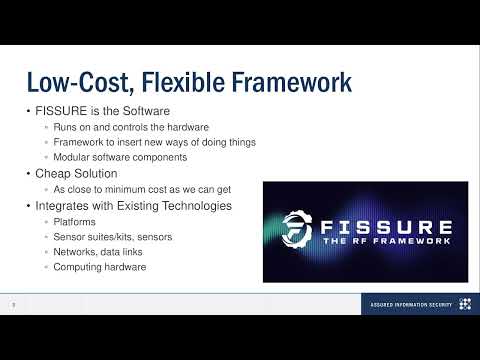
FISSURE Overview (Slides)
|
Introduction
FISSURE is an open-source RF framework that supports both operational deployments and research and education.
- For operators, it provides a rapidly deployable toolkit for signal detection, classification, protocol discovery, fuzzing, vulnerability analysis, and real-time integration with TAK.
- For educators and researchers, it lowers the barrier to entry for SDR and reverse engineering, offering a shared environment for learning, experimentation, and publishing new methods.
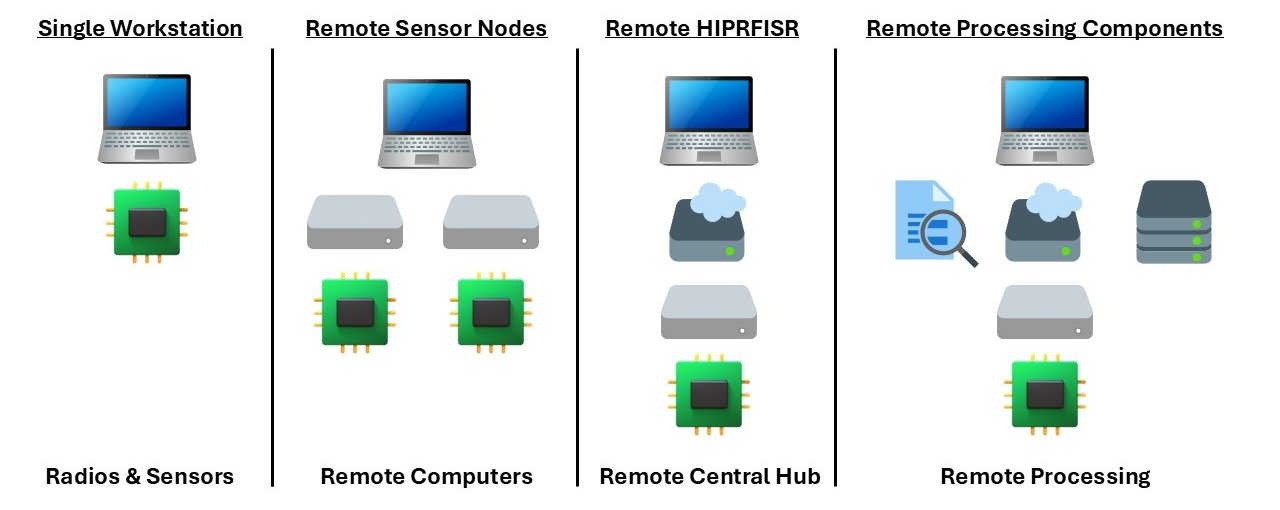
FISSURE streamlines complex SDR workflows by centralizing software, libraries, and reference material into one consistent framework that runs on desktops, laptops, single-board computers, and ruggedized systems, or scales to distributed tactical nodes networked in the field.
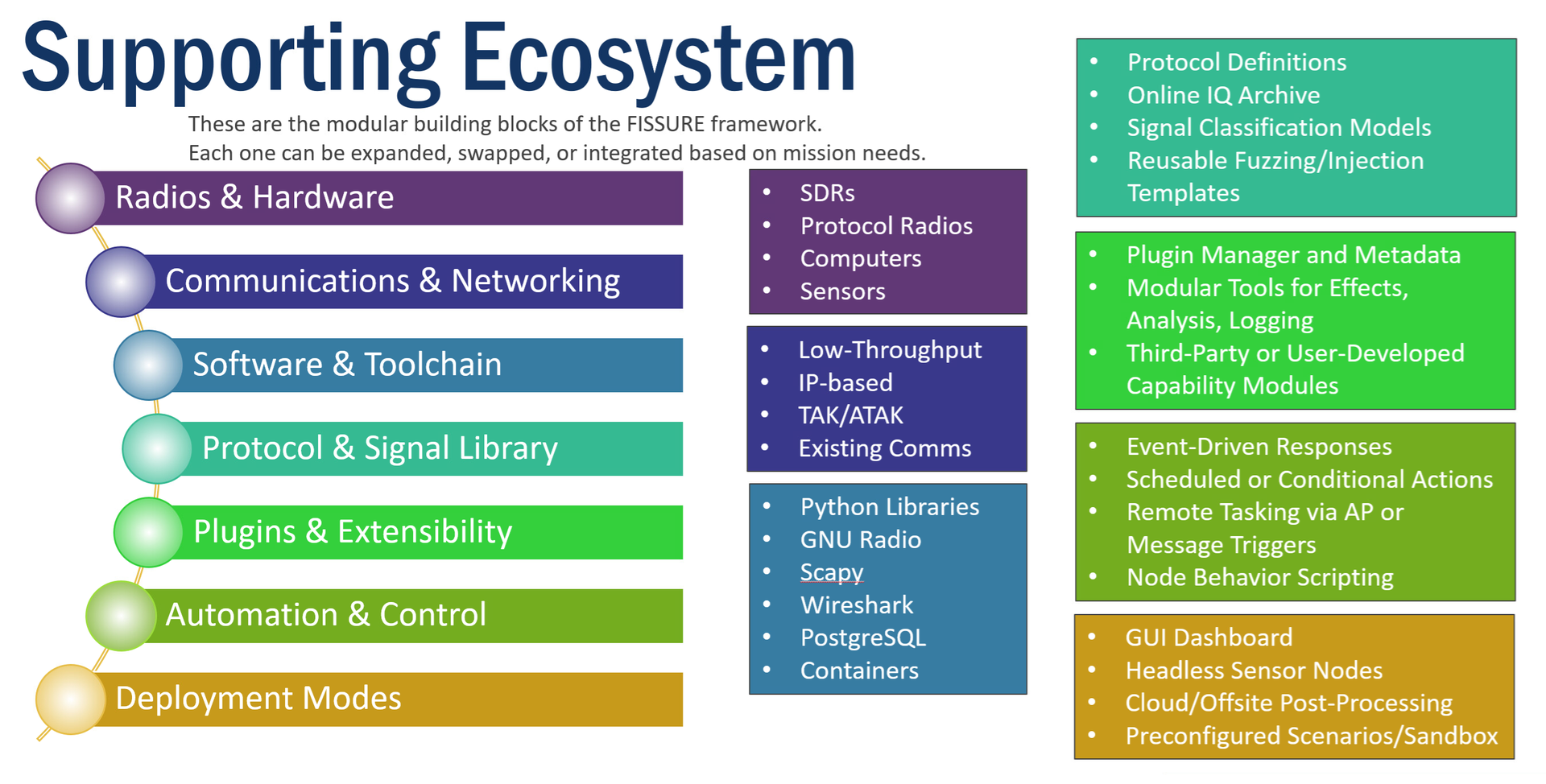
Key Capabilities
- Detect, classify, and analyze RF signals
- Collect, replay, and manipulate IQ data
- Discover protocols and craft custom packets
- Execute fuzzing and vulnerability testing
- Archive signals and build playlists for testing
- Coordinate distributed sensor nodes
- Geolocate RF emitters and targets
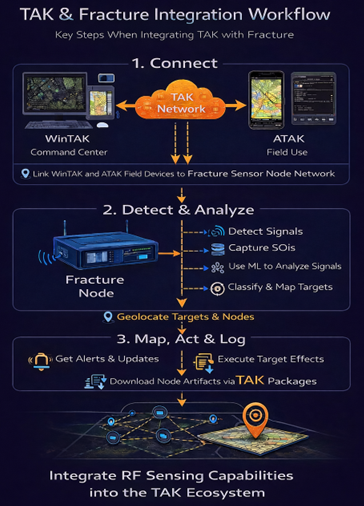
- Integrate alerts, targets, and artifacts into TAK
- Automate workflows with AI and ML integration
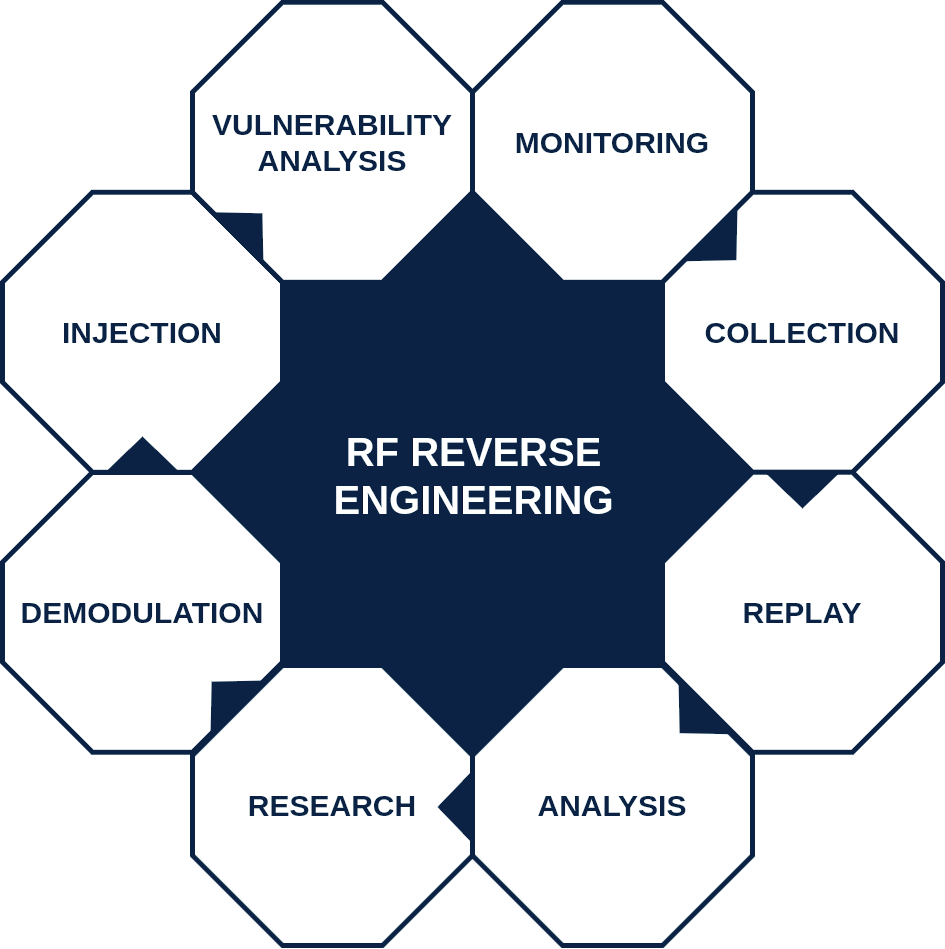

FISSURE and Fracture
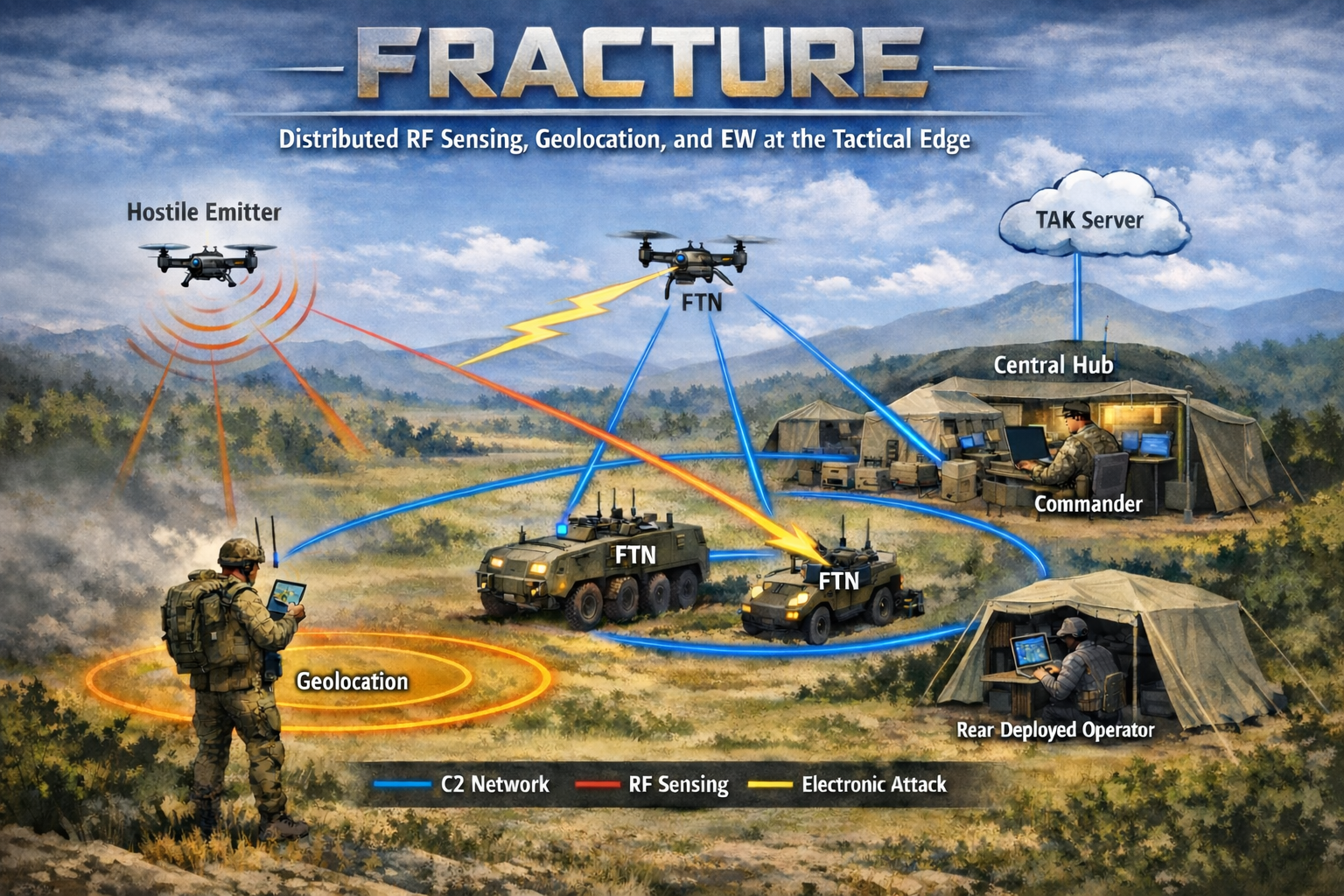
Fracture is AIS's deployable tactical RF system built on the open-source FISSURE framework.
FISSURE provides the underlying software environment for RF sensing, signal analysis, protocol experimentation, TAK integration, distributed node coordination, and plugin-based capability development. Fracture extends this foundation into deployable hardware configurations designed for operational use.
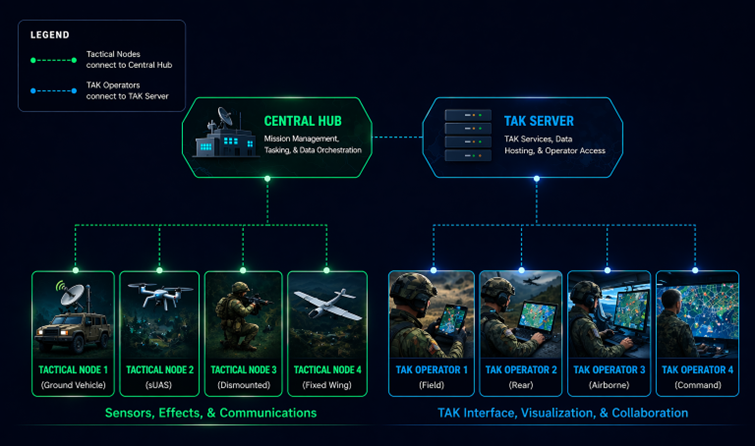
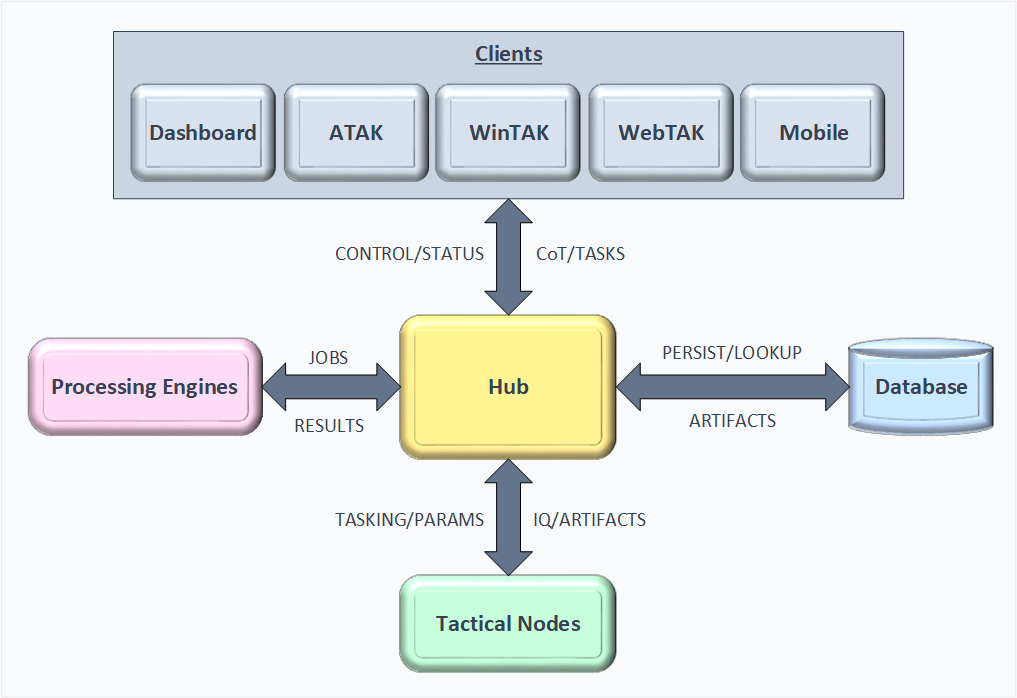
Fracture focuses on distributed RF sensing, geolocation, RF effects, electronic warfare workflows, and real-time operator control through WinTAK and ATAK. A central hub coordinates edge nodes over IP networks and long-range RF links to support sensing, targeting, and mission execution across distributed environments.
The architecture is designed to support fixed-site, vehicle, manpack, sUAS, and fixed-wing deployments while remaining extensible through FISSURE's plugin framework.
For organizations requiring a supported and integrated tactical RF capability, Fracture provides a productization path that preserves the flexibility, transparency, and extensibility of the underlying FISSURE ecosystem.
Fracture System Architecture
TAK Integration Workflow
Deployment Options
- Desktop GUI for visualization and prototyping
- Headless nodes for remote sensing and autonomous operations
- Containerized services for scalable and repeatable installs
- TAK integration for mission relevance and shared situational awareness
Dual-Use Relevance
- Operators: Detect, geolocate, and respond to RF activity in the field
- Researchers: Test new algorithms, automation, and AI and ML approaches
- Educators: Teach SDR, DSP, RF security, real-time processing, and reverse engineering in the classroom
- Students and Hobbyists: Explore SDR workflows and learn about technology without steep setup overhead
Roadmap and Development
FISSURE’s roadmap evolves with customer demand and community feedback.
For the most up-to-date view, explore the interactive roadmap (updated every July):
Current Priorities
- Plugin Ecosystem & Actions: Applying the new plugin and action architecture throughout the FISSURE Dashboard, WinTAK, ATAK, and sensor nodes. Expanding plugin support, converting existing library content into plugins, and simplifying capability deployment while protecting sensitive functionality through the plugin framework.
- TAK Integration & Operator Workflows: Expanding WinTAK and ATAK functionality, improving target management, geolocation workflows, alerting, artifact handling, and operator-driven actions. Focus areas include real-world testing, performance optimization, usability improvements, and tighter integration between TAK and distributed sensor nodes.
- Installer, Packaging & Deployment: Improving installer reliability, refining Apptainer support, hosting downloadable container images, delivering prebuilt deployment options, and simplifying installation across supported operating systems and hardware platforms.
- Tactical Nodes, Sensors & Networking: Expanding support for tactical node deployments, integrating additional sensors and hardware, evaluating new communications pathways including cellular, Starlink, mesh networking, and communications radios, and improving resilience across distributed deployments.
- Geolocation, Direction Finding & Electronic Support: Advancing geolocation, direction-finding, and monitoring capabilities through field testing and operational evaluations. Emphasis is placed on practical electronic support workflows, multi-node sensing, performance validation, and the collection of real-world operational feedback.
Videos
White Papers
FISSURE is supported by a series of white papers that explore both technical and operational applications across different domains.
 ainfosec/fissure
